Budgeting for Electric Motor Maintenance How to Avoid Surprise Expenses
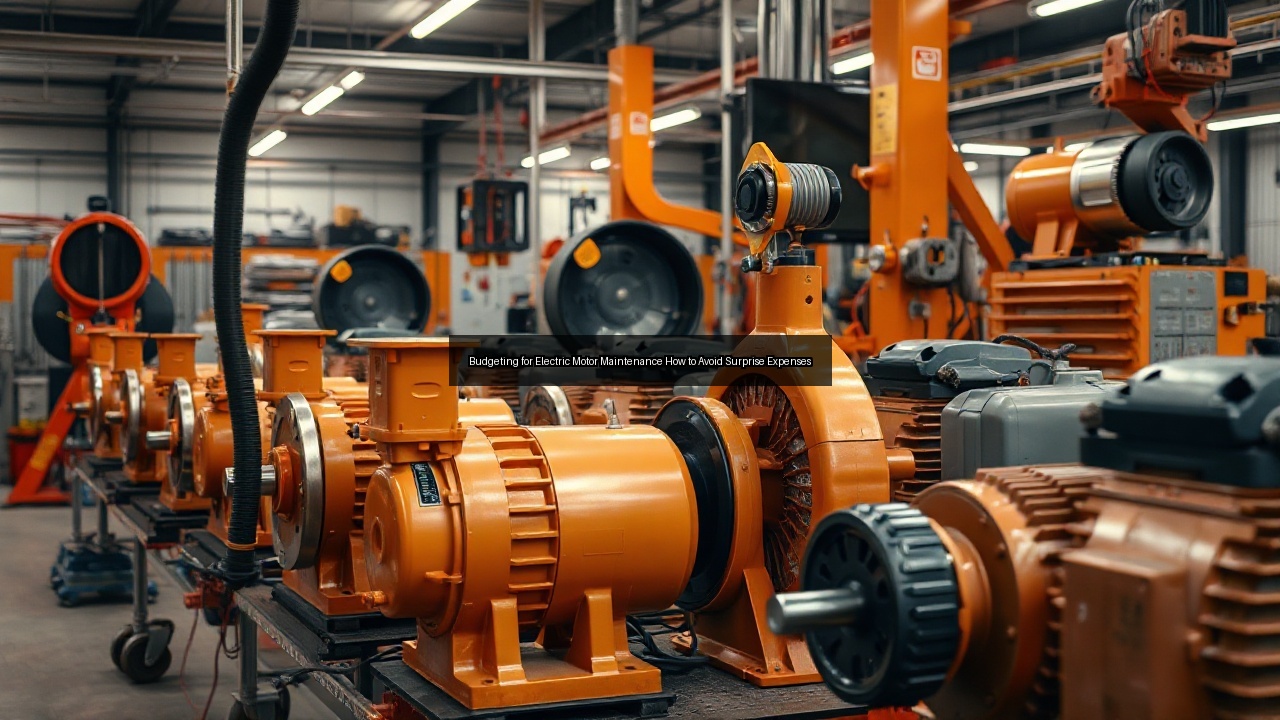
Understanding Electric Motor Repair Costs
Factors Influencing Repair Costs
Electric motor repair costs vary widely based on motor size, age, and operating conditions. Larger industrial motors demand specialized parts and labor that drive up the price quickly. Operators face higher expenses when dealing with custom designs or rare components unavailable from standard suppliers. Location also plays a role because remote facilities pay more for technician travel and downtime. Voltage fluctuations and poor power quality accelerate wear on windings and bearings, inflating future repair bills. Regular assessment of these factors helps facilities create accurate budgets that prevent unexpected spikes in electric motor repair costs. Tracking historical data on similar motors reveals patterns that guide better purchasing decisions and maintenance scheduling.
Material quality directly affects the final price tag during any repair. Premium insulation and high-grade copper reduce long-term expenses even if initial outlay seems higher. Facilities that ignore these details often encounter repeated failures that multiply total ownership costs. Supply chain delays for rotors or stators further increase labor charges when technicians must wait on parts. Understanding these variables allows managers to forecast electric motor repair costs with greater precision and allocate resources effectively across multiple assets.
Common Types of Electric Motor Failures
Bearing failure remains the leading cause of unplanned downtime in electric motors. Contamination from dust or moisture breaks down lubricant and creates excessive heat that damages surrounding components. Stator winding shorts develop when insulation degrades under sustained overload or voltage spikes. Rotor bar breakage occurs in induction motors subjected to frequent starts and stops without proper soft-start controls. These issues contribute significantly to overall electric motor repair costs when left undetected until catastrophic breakdown. VFD-induced bearing currents accelerate damage in variable-speed applications and require specific mitigation strategies like insulated bearings or shaft grounding rings.
Overheating from blocked ventilation paths or overloaded conditions melts insulation and warps rotors. Each failure mode carries distinct repair implications that affect budget planning. Addressing root causes through targeted interventions lowers the frequency and severity of these events. Facilities that catalog failure patterns across their motor population gain valuable insight for prioritizing maintenance investments and avoiding surprise expenses.
The Importance of Regular Maintenance
Scheduled maintenance directly reduces electric motor repair costs by catching minor issues before they escalate. Cleaning windings, checking alignment, and verifying lubrication intervals extend service life and stabilize operating expenses. Neglected motors suffer accelerated wear that leads to complete rewinds or replacements costing several times more than preventive measures. Consistent inspection routines also document performance trends that support accurate budget forecasting. Maintenance teams that follow manufacturer guidelines prevent contamination buildup and maintain optimal efficiency levels across the asset base.
Documenting every service visit creates a reliable history that justifies capital expenditures and supports warranty claims. Facilities that invest in structured maintenance programs report fewer emergency callouts and lower overall repair price points. This disciplined approach transforms unpredictable expenses into manageable line items within annual budgets.
Budgeting for Electric Motor Maintenance
Creating a Maintenance Budget
Developing a realistic maintenance budget starts with inventorying every electric motor and categorizing them by criticality and age. Assign estimated annual costs for inspections, lubrication, and minor adjustments based on historical data. Include contingency reserves for unexpected stator or rotor repairs that exceed routine expenses. Factor in labor rates, parts markups, and potential downtime losses when calculating total ownership impact. Software tools that track maintenance intervals help refine projections and prevent underfunding that leads to surprise electric motor repair costs later.
Review budget performance quarterly and adjust allocations according to actual failure rates and repair invoices. This iterative process keeps spending aligned with operational realities. Facilities that treat maintenance as a strategic investment rather than an expense achieve better control over cash flow and extend motor longevity without large unplanned outlays.
Cost Estimates for Common Repairs
Bearing replacement on a mid-size motor typically ranges from several hundred to a few thousand dollars depending on accessibility and alignment requirements. Rewinding a stator involves higher costs but often remains cheaper than purchasing a new motor when the frame and rotor remain serviceable. VFD-related repairs add complexity because electronic components require specialized technicians and testing equipment. Accurate cost estimates help facilities set aside appropriate reserves and avoid budget shortfalls during peak production periods.
Obtaining multiple quotes from certified repair shops reveals competitive pricing for identical services. Comparing repair versus replace decisions requires evaluating energy efficiency gains from newer models against immediate outlay. Detailed estimates that break down parts, labor, and testing fees provide the transparency needed for sound financial planning around electric motor repair costs.
The Role of Warranty in Cost Management
Manufacturer warranties cover defects in materials and workmanship for defined periods, shielding facilities from certain electric motor repair costs. Extended warranties purchased at acquisition time protect against early failures in demanding applications. Reading fine print reveals exclusions related to improper installation or contamination that could void coverage. Tracking warranty expiration dates prevents missed claims and supports budget accuracy when motors approach the end of protected service life.
Partnering with authorized service centers ensures warranty work meets original specifications and preserves remaining coverage. Some repair providers offer their own guarantees on workmanship that reduce risk for facilities managing large motor fleets. Leveraging warranty provisions effectively lowers net maintenance expenditures and improves overall budget predictability.
Predictive Maintenance Strategies
Using Sensors for Early Detection
Wireless vibration sensors mounted on motor housings capture data that signals impending bearing wear or imbalance long before audible noise appears. Temperature sensors track thermal rise that indicates insulation stress or lubrication problems. Continuous monitoring feeds information into software platforms that generate alerts when readings exceed baseline thresholds. This approach cuts electric motor repair costs by enabling planned interventions during scheduled outages rather than emergency shutdowns.
Integrating sensor data with existing CMMS systems creates automated work orders that keep maintenance teams ahead of failures. Facilities adopting sensor networks report measurable reductions in unplanned downtime and associated repair invoices. The initial investment pays for itself through avoided catastrophic events and extended motor service intervals.
Infrared Inspections and Their Benefits
Infrared thermography identifies hot spots in electrical connections, windings, and bearings without physical contact. Scans performed during normal operation reveal overheating caused by loose terminals or deteriorating insulation. Early detection allows corrective action that prevents complete motor failure and the high electric motor repair costs that accompany it. Annual infrared surveys provide documented evidence of equipment condition for insurance and compliance purposes.
Technicians trained in thermography interpret images to distinguish normal operating heat from genuine problems. Combining infrared data with vibration readings strengthens diagnostic accuracy and refines maintenance priorities. Facilities that schedule regular infrared inspections maintain tighter control over repair budgets and extend the operational life of critical motors.
Varnish and VPI Processes for Longevity
Varnish application seals windings against moisture and contaminants that degrade insulation over time. VPI treatment forces resin deep into stator coils under vacuum pressure, creating a solid, void-free structure that resists electrical stress. Motors receiving these processes demonstrate improved thermal endurance and reduced failure rates. The added protection lowers long-term electric motor repair costs by delaying the need for rewinds or replacements.
Specifying VPI-treated motors during new purchases or major repairs yields measurable reliability gains in harsh environments. Facilities that maintain records of varnish and VPI applications can predict remaining insulation life with greater confidence. This proactive treatment strategy supports stable maintenance budgets and minimizes surprise expenses across the motor population.
Maximizing Efficiency to Minimize Repair Costs
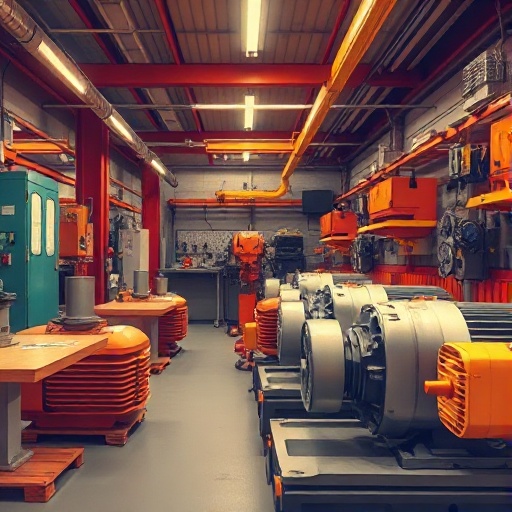
The Impact of Voltage and Insulation on Performance
Stable voltage supply protects insulation integrity and prevents premature breakdown that drives electric motor repair costs upward. Overvoltage stresses windings while undervoltage causes excessive current draw and heat. Proper insulation class selection ensures motors withstand operating temperatures without rapid degradation. Facilities that monitor incoming power quality and install surge protection devices reduce insulation failures and associated repair invoices.
Regular insulation resistance testing identifies moisture ingress or contamination before it causes shorts. Maintaining correct voltage levels and insulation health directly supports energy efficiency goals and keeps repair budgets predictable. Motors operating within design parameters experience fewer breakdowns and deliver longer service life.
HVAC Systems and Electric Motor Efficiency
HVAC applications place continuous demands on motors that power fans and pumps. Proper motor sizing prevents chronic overloading that shortens service life and increases electric motor repair costs. High-efficiency motors reduce energy consumption while generating less internal heat that stresses bearings and windings. Matching motor speed to load requirements through VFDs further improves efficiency and lowers operating temperatures.
Regular filter changes and coil cleaning in HVAC systems maintain airflow that keeps motors cool. Facilities that optimize HVAC motor efficiency report lower overall energy bills and fewer emergency repairs. These gains contribute directly to predictable maintenance budgets and reduced total cost of ownership.
Contamination Control Measures
Sealed enclosures and proper filtration limit dust and moisture entry that accelerates bearing and winding failure. Positive-pressure environments in control rooms protect motors from airborne contaminants common in industrial settings. Scheduled cleaning of cooling fins and ventilation passages prevents heat buildup that damages insulation. Effective contamination control reduces electric motor repair costs by preserving component condition over extended periods.
Implementing breathers and desiccants on gearboxes and bearing housings further safeguards internal lubricants. Facilities that document contamination incidents and corrective actions refine their control strategies continuously. Consistent application of these measures stabilizes repair expenses and supports reliable long-term budgeting for motor assets.
See Also
- The Role of Voltage and Insulation in Electric Motor Repair Costs
- Avoiding Contamination Costly Mistakes in Electric Motor Repairs
- The True Price of Electric Motor Repair What You Need to Know
- Unveiling the Hidden Costs of Electric Motor Repairs for Your Business
- Understanding Warranty Implications for Your Electric Motor Repair Costs