Exploring NexGen Technologies in Swimming Pool Dehumidification
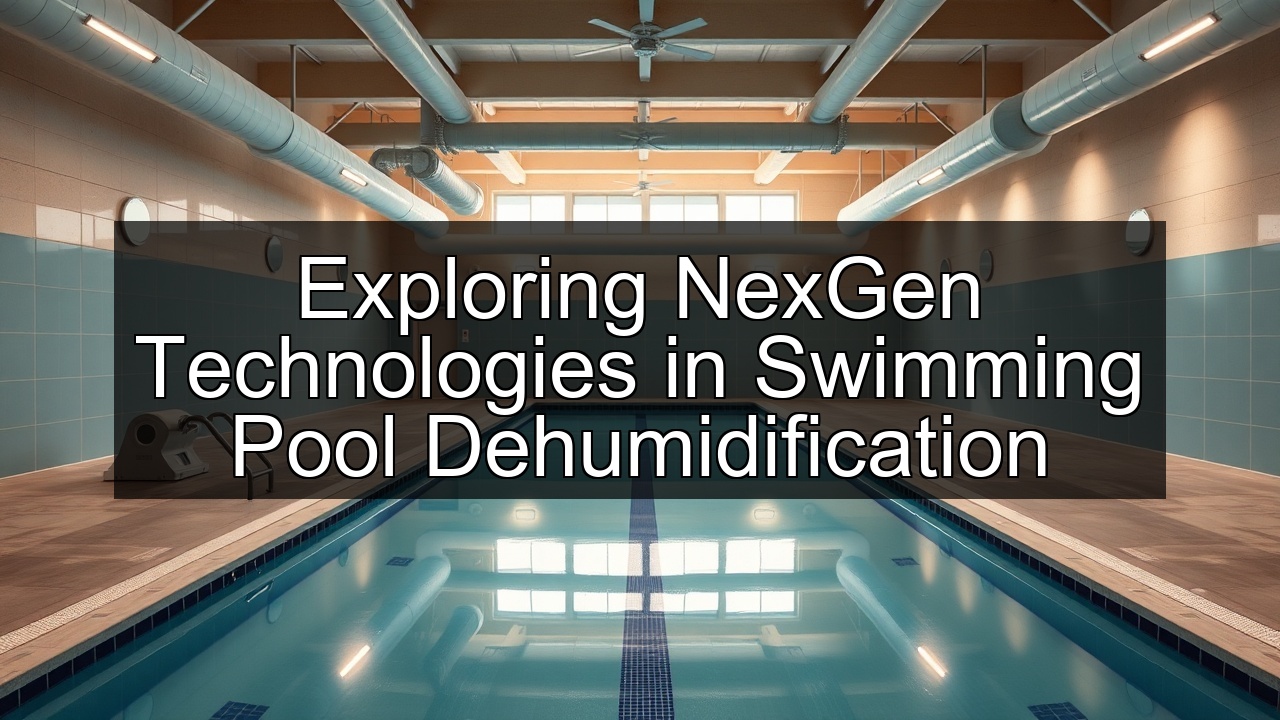
Understanding Swimming Pool Dehumidification
Importance of Humidity Control in Indoor Pools
Humidity control in indoor swimming pools is crucial for maintaining a comfortable and safe environment. High levels of humidity can lead to a multitude of issues, including mold growth, structural damage to the building, and decreased air quality. Excess moisture can corrode equipment and affect the longevity of construction materials, such as cement and wood. Proper humidity levels enhance the overall experience for swimmers, ensuring comfort while engaging in activities. Organizations like the YMCA emphasize the importance of humidity control, as it directly impacts the health and safety of pool users. Maintaining balanced relative humidity levels between 30% to 60% not only prevents condensation but also promotes a healthier atmosphere for everyone involved.
How Dehumidifiers Work in Natatoriums
Dehumidifiers play a pivotal role in natatoriums, effectively removing excess moisture from the air. These systems operate by drawing in humid air, cooling it to condense moisture, and then reheating the drier air before releasing it back into the environment. This process not only reduces humidity but also helps regulate temperature, enhancing overall climate control. The technology behind these dehumidifiers has evolved significantly, with modern units designed to work efficiently in environments where indoor pools generate high humidity levels. Understanding the mechanics of these systems is essential for addressing specific needs in swimming pool dehumidification, enabling facility managers to select the right solutions for their spaces.
ASHRAE Guidelines for Indoor Pool Environments
The American Society of Heating, Refrigerating and Air-Conditioning Engineers (ASHRAE) provides essential guidelines for indoor pool environments, outlining the optimal conditions for health and safety. These standards address factors such as ventilation rates, temperature control, and humidity levels. By adhering to ASHRAE recommendations, pool operators can ensure compliance with industry best practices regarding humidity control and air quality. The guidelines emphasize maintaining indoor relative humidity below 60% to prevent condensation and protect both the facility and its users. Implementing ASHRAE standards in swimming pool dehumidifiers not only enhances performance but also supports long-term sustainability and operational efficiency in natatoriums.
NexGen Technologies in Dehumidification Systems
Innovative Features of NexGen Dehumidifiers
NexGen dehumidifiers incorporate cutting-edge technology and innovative features designed to maximize efficiency and performance. These systems utilize advanced sensors to monitor humidity levels in real-time, allowing for automatic adjustments to maintain optimal conditions. Many models include variable-speed fans that adapt airflow based on current humidity, enhancing energy savings. Moreover, NexGen technologies often integrate seamless connectivity options, enabling remote monitoring and control via smartphones or tablets. Such advancements not only improve ease of use but also provide detailed information for troubleshooting and maintenance. With these innovative features, NexGen dehumidifiers stand out as some of the best swimming pool dehumidifiers available, perfectly suited for both commercial and residential applications.
Desiccant vs. Refrigerant Dehumidifiers
When selecting a swimming pool dehumidifier, understanding the difference best swimming pool dehumidifiers between desiccant and refrigerant models is vital. Desiccant dehumidifiers use hygroscopic materials to absorb moisture from the air, making them particularly effective in low-temperature environments. They excel at maintaining low relative humidity levels without significant temperature fluctuations, making them ideal for indoor pools in cooler climates. On the other hand, refrigerant dehumidifiers operate by cooling air to condense moisture, then reheating it before releasing it back into the room. These units are typically more energy-efficient in warmer environments. Pool owners must evaluate their specific needs, including climate and humidity levels, to determine which type of dehumidifier best suits their indoor pool conditions.
Energy-Saving Technologies in Modern Systems
Energy efficiency remains a top priority in modern dehumidification systems, with many manufacturers incorporating energy-saving technologies. High-efficiency heat pumps, for instance, can simultaneously manage heating and cooling, reducing overall energy consumption. Variable-speed compressors and fans further enhance efficiency by adapting to real-time humidity demands. Some NexGen dehumidifiers utilize smart technology to optimize performance based on usage patterns, ensuring that energy is conserved when the pool is not in use. This commitment to energy savings not only lowers operating costs but also promotes sustainable practices in swimming pool management. Selecting an energy-efficient dehumidifier contributes to a greener environment while maintaining optimal humidity control.
Choosing the Right Dehumidifier for Your Pool
Factors to Consider: CFM and Room Size
When choosing a dehumidifier for your swimming pool, key factors such as CFM (cubic feet per minute) and room size significantly influence effectiveness. CFM measures the airflow capacity of a dehumidifier, determining how quickly it can remove moisture from the air. Larger pools or natatoriums require units with higher CFM ratings to efficiently manage humidity levels. Assessing the size of the room where the pool resides is crucial, as it directly impacts the required dehumidification capacity. Pool owners should calculate the total volume of the room and match it with the dehumidifier’s specifications to ensure optimal performance. Consulting with an expert can provide valuable insights in selecting the right model tailored to your specific requirements.
Comparing Commercial and Residential Solutions
Commercial swimming pool dehumidifiers differ significantly from residential models in terms of capacity, features, and durability. Commercial units are designed to handle larger volumes of air and continuous operation, making them suitable for busy facilities like gyms, schools, and health clubs. In contrast, residential dehumidifiers cater to smaller indoor pools, often incorporating user-friendly features for homeowners. When comparing solutions, consider factors such as installation requirements, maintenance needs, and energy efficiency. A thorough evaluation ensures that pool operators select the most suitable dehumidifier, balancing performance with cost-effectiveness, whether for a private home or a commercial setting.
Heavy-Duty Options for High Humidity Areas
In regions where humidity levels tend to soar, heavy-duty swimming pool dehumidifiers become essential to maintain a pleasant environment. These robust systems are designed with advanced features that facilitate moisture removal even in the most challenging conditions. Heavy-duty units often incorporate larger compressors and enhanced airflow systems, allowing them to handle significant humidity loads efficiently. When selecting a heavy-duty dehumidifier, consider factors such as the specific humidity levels in your area, the size of the pool, and the building's overall climate control strategy. Properly assessing these factors ensures that even in high humidity areas, your indoor pool remains a comfortable and inviting space.
Troubleshooting and Maintenance of Dehumidifiers
Common Issues and Expert Solutions
Dehumidifiers may encounter various issues over time, affecting their performance. Common problems include inadequate moisture removal, unusual noises, or frequent cycling. If the unit fails to reduce humidity effectively, check the air filters for clogs, as dirty filters can impede airflow. Inspecting the condensate drain for blockages is also essential, as a blocked drain can cause water to back up and affect operation. An expert can provide tailored troubleshooting solutions, ensuring that the dehumidifier operates at peak efficiency. Regular check-ups and maintenance allow for early identification of issues, minimizing downtime and promoting longevity.
Regular Maintenance Tips for Optimal Performance
Routine maintenance is vital for ensuring that swimming pool dehumidifiers function optimally. Regularly inspect and clean air filters to enhance airflow and efficiency. Most manufacturers recommend cleaning filters every month, especially during peak usage periods. Additionally, check the condensate drain and ensure it is free from debris to prevent water buildup. Scheduling professional maintenance annually can further enhance performance, as experts can assess components and make necessary adjustments. Keeping the dehumidifier in top shape not only prolongs its lifespan but also ensures consistent humidity control in your indoor pool.
Integrating Humidity Control with Heating Systems
Integrating humidity control systems with heating solutions can significantly enhance the overall comfort of indoor commercial swimming pool dehumidifiers pools. Coordinating the operation of heaters and dehumidifiers ensures that humidity levels remain balanced while providing warmth to the environment. Heat pumps, for instance, can efficiently regulate both temperature and humidity, creating a harmonious climate control system. Proper integration minimizes energy usage and enhances user experience, ensuring that swimmers enjoy a comfortable atmosphere year-round. Collaborating with HVAC experts can provide insights into effective integration strategies, allowing for improved management of heating and humidity control in swimming pools.
See Also
- Why Proper Dehumidification is Crucial for Pool Maintenance
- Top Energy-Saving Tips for Swimming Pool Dehumidification
- Exploring the Connection Between Pool Heaters and Humidity Control
- Innovative Technologies in Swimming Pool Dehumidification
- A Guide to Selecting the Best Dehumidifier for Your Indoor Pool