Exploring the Benefits of Ceramic Weld Backing in Modern Welding Techniques
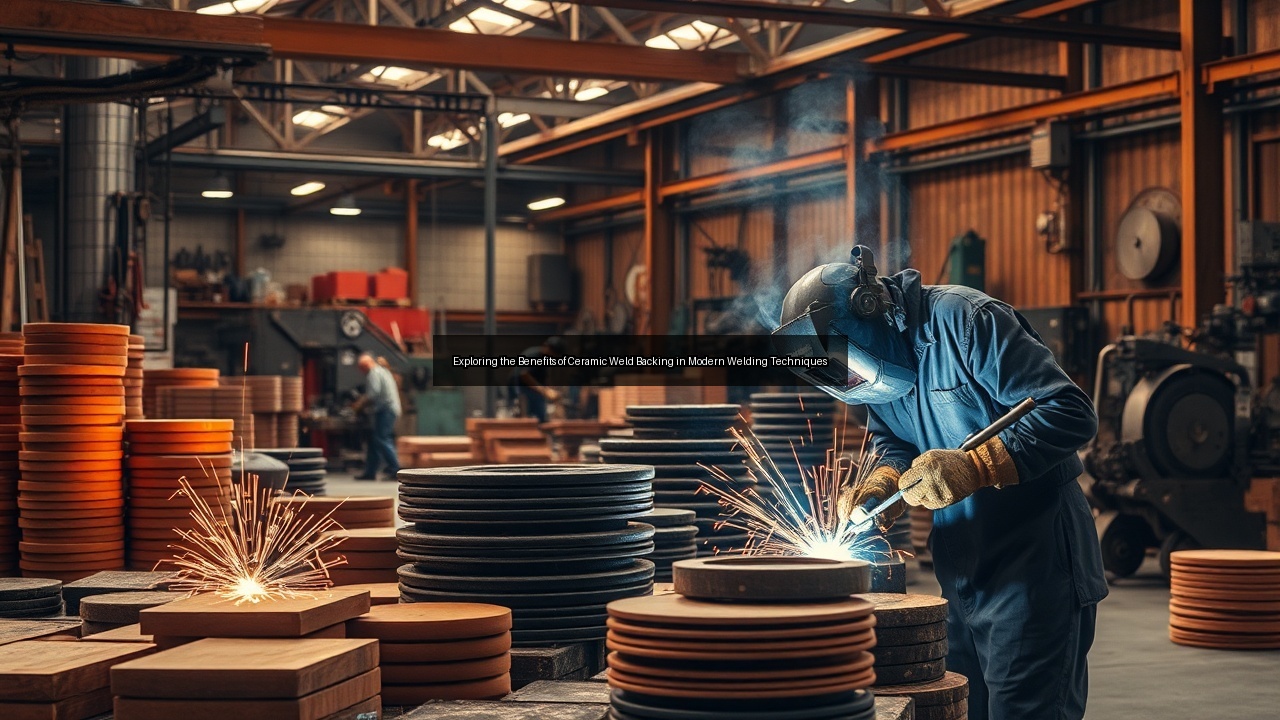
Understanding Ceramic Weld Backing
What is Ceramic Weld Backing?
Ceramic weld backing supports the root pass during welding by providing a stable surface that contains the molten pool. Welders place ceramic backing strips or tape along the joint to prevent burn-through and ensure full penetration. This method uses high-temperature ceramics formed from clay and fired into durable shapes that withstand intense heat without melting or reacting with the weld metal. Many fabricators choose ceramic weld backing over older techniques because it eliminates the need for back gouging in many cases. The material comes in various profiles to match different joint designs, and it stays in place with adhesive tape or mechanical fixtures. Welders report cleaner results when they align the ceramic backing strip precisely before striking the arc.
The Role of Ceramics in Welding
Ceramics deliver excellent thermal insulation and chemical stability during welding operations. Their non-metallic composition prevents unwanted alloying with the weld pool, which keeps the finished joint free from inclusions. When a welder uses ceramic backing, the material absorbs and dissipates heat evenly, reducing distortion in the base metal. Ceramics also resist attack from shielding gases such as argon and oxygen mixtures used in TIG processes. This stability allows consistent performance across multiple passes. Fabricators often combine ceramic backing with fiber-reinforced tapes for added flexibility on curved surfaces. The result is a reliable barrier that maintains weld integrity without introducing foreign elements into the fusion zone.
Different Types of Ceramic Weld Backing
Several formats of ceramic weld backing meet specific project needs. Rigid ceramic backing strips suit flat plate joints, while flexible ceramic backing tape conforms to pipes and irregular contours. Some manufacturers embed ceramic tiles in adhesive foil for quick application on vertical or overhead welds. Welders select grooved or flat profiles depending on the desired root reinforcement. High-density versions handle heavy-wall carbon steel, and lighter compositions work well with stainless and aluminum. Gullco International supplies modular systems that let crews adjust backing length on site. These options give welders precise control over heat flow and bead shape without additional grinding afterward.
Advantages of Ceramic Weld Backing in Welding
Enhanced Weld Quality and Strength
Ceramic weld backing promotes complete joint penetration and eliminates root defects that weaken finished welds. By containing the molten metal, the backing forces the welding rod to fuse fully through the thickness. Welders achieve higher tensile strength because the root bead forms under controlled pressure rather than open air. The ceramic surface also reduces oxidation, which preserves ductility in critical applications. Many codes now accept ceramic-backed welds without radiography when procedures follow qualified parameters. This consistency lowers rejection rates and rework. Fabricators notice fewer porosity issues when they pair ceramic backing strips with proper gas coverage during the root pass.
Minimizing Heat Loss During Welding
Ceramic materials limit heat dissipation away from the weld zone. Their low thermal conductivity keeps the arc energy focused on fusion rather than warming surrounding metal. Welders can therefore reduce amperage slightly while maintaining penetration, which decreases overall heat input and warping. Ceramic backing tape acts as a thermal barrier that retains warmth along the joint line, allowing smoother tie-ins on subsequent passes. This efficiency benefits thick sections where temperature control prevents cracking. Crews working on large structures report faster travel speeds without sacrificing quality when ceramic backing supports the root.
Improved Weld Appearance and Consistency
Uniform root profiles result when ceramic weld backing guides the molten pool. The finished weld shows smooth, even reinforcement instead of excessive drop-through or undercut. Welders spend less time grinding because the backing produces a flat or slightly convex root that meets visual acceptance criteria immediately. Consistency across multiple joints improves when every welder uses the same ceramic backing strip width and alignment method. This repeatability supports production welding schedules and reduces variation between shifts. The clean appearance also simplifies coating application later, since no sharp edges remain from back gouging.
Applications of Ceramic Weld Backing in Modern Techniques
Use in TIG Welding and Its Benefits
TIG welders rely on ceramic weld backing to maintain precise control over the root pass. The backing supports the thin weld pool created by the tungsten electrode and argon shield, preventing collapse on open roots. Operators achieve superior fusion on thin-wall tubing without adding filler metal from the back side. Ceramic backing also stabilizes the arc when welding positions change quickly. Many shops pair ceramic tile backing with pulsed TIG programs to produce consistent beads on stainless pipe. The combination reduces gas consumption because the backing limits atmospheric exposure at the root. Welders complete joints faster and with fewer defects when ceramic support replaces manual techniques.
Ceramic Backing in Pipe Welding
Pipe welders use ceramic backing strips and tape to handle both shop and field joints. The material conforms to diameters from small bore to large transmission lines. It maintains alignment during fit-up and supports the root while the welder works around the circumference. Ceramic weld backing proves especially useful on alloy pipes where back purging becomes costly. Crews cut the tape to length and secure it with high-temperature adhesive before tacking. This approach works equally well on carbon steel and stainless, delivering consistent penetration without internal access. Field crews appreciate the lightweight rolls that fit easily in toolboxes and require no heavy metal fixtures.
Applications in Aerospace and Automotive Industries
Aerospace manufacturers select ceramic weld backing for thin titanium and nickel alloy components that demand zero defects. The material prevents contamination that could compromise fatigue life in engine parts. Automotive production lines apply ceramic backing tape on chassis and exhaust welds to speed cycle times. Robots deposit consistent roots because the backing provides repeatable support without manual adjustment. Both industries value the reduced post-weld cleaning, which protects tight tolerances. Ceramic backing also supports high-strength steel joints in crash structures where full penetration adds safety margins. These sectors continue to expand ceramic use as welding automation increases.
Comparing Ceramic Weld Backing to Traditional Backing Methods
Ceramic vs. Metal Backing Strips
Metal backing strips require removal after welding and often leave marks that need grinding. Ceramic weld backing stays in place or falls away cleanly once cooled, eliminating that step. Metal conducts heat away rapidly and can cause incomplete fusion at the edges. Ceramics insulate instead, concentrating energy where it belongs. Welders also avoid the weight and handling difficulties of long metal bars on vertical joints. Ceramic options conform better to contoured surfaces and resist warping from repeated heat cycles. Many shops have switched entirely to ceramic backing strips for these practical advantages.
Cost-Effectiveness of Ceramic Backing
Ceramic weld backing reduces labor hours by removing back gouging and grinding operations. Although the initial material cost exceeds basic tape, the savings in welder time and consumables offset the difference quickly. ESAB and Gullco market systems that minimize waste through modular lengths. Fewer rejected welds translate into lower material scrap and inspection costs. Fabricators calculate payback within weeks on high-volume projects. The durability of ceramic pieces allows limited reuse on non-critical joints, stretching the investment further. Overall project budgets benefit from predictable schedules and reduced finishing work.
Performance Comparison with Other Materials
Fiber and flux tapes sometimes replace ceramic weld backing, yet they lack the same heat resistance on thick sections. Ceramic maintains integrity above 2000 degrees Fahrenheit while fiber degrades and contaminates the weld. Metal wheels or copper bars demand cooling systems that add complexity on site. Ceramic backing delivers comparable or better root quality without auxiliary equipment. Performance data from procedure qualifications show higher first-pass success rates with ceramic. Welders note fewer arc restarts because the backing supports continuous travel. These measurable gains make ceramic the preferred choice across demanding applications.
Future Trends in Ceramic Weld Backing Technology
Innovations in Ceramic Materials for Welding
Material scientists develop advanced ceramic compositions with tailored thermal expansion to match common base metals. New formulations incorporate ceramic fiber reinforcements that increase flexibility without sacrificing strength. These innovations allow ceramic weld backing to handle higher travel speeds and automated processes. Manufacturers also refine surface textures that improve molten metal flow and reduce spatter adhesion. Welders will soon see backing products optimized for specific alloys and shielding gas combinations. Continued research focuses on thinner profiles that maintain performance while using less material overall.
The Role of Companies like ESAB and Gullco
ESAB integrates ceramic backing recommendations into its welding procedure software, helping welders select the correct strip for each joint. Gullco International manufactures track-mounted systems that position ceramic backing tape automatically alongside the welding head. Both companies invest in training programs that demonstrate proper application techniques. Their equipment reduces setup time and ensures consistent alignment across long seams. As welding automation grows, these suppliers lead development of compatible ceramic products. Their global distribution networks make advanced backing widely available to fabricators of every size.
Sustainability and Environmental Impact of Ceramic Welding
Ceramic weld backing supports greener welding practices by cutting energy use and eliminating grinding dust. The material itself derives from abundant clay resources and can be recycled into construction aggregates after use. Reduced argon consumption during root passes lowers the carbon footprint of shielded processes. Manufacturers now offer biodegradable adhesive backings that minimize landfill contributions. Fabricators report cleaner shops because ceramic eliminates metal chips and grinding sparks. These environmental gains align with industry goals for responsible resource use while maintaining high weld performance standards.
See Also
- The Science Behind Ceramic Weld Backing and Its Role in Metal Fabrication
- Choosing the Right Ceramic Weld Backing for Your Specific Welding Needs
- The Future of Welding Technology Ceramic Backing Innovations
- How Ceramic Weld Backing Improves Durability and Precision in Welds
- A Beginner's Guide to Using Ceramic Weld Backing for Flawless Welds