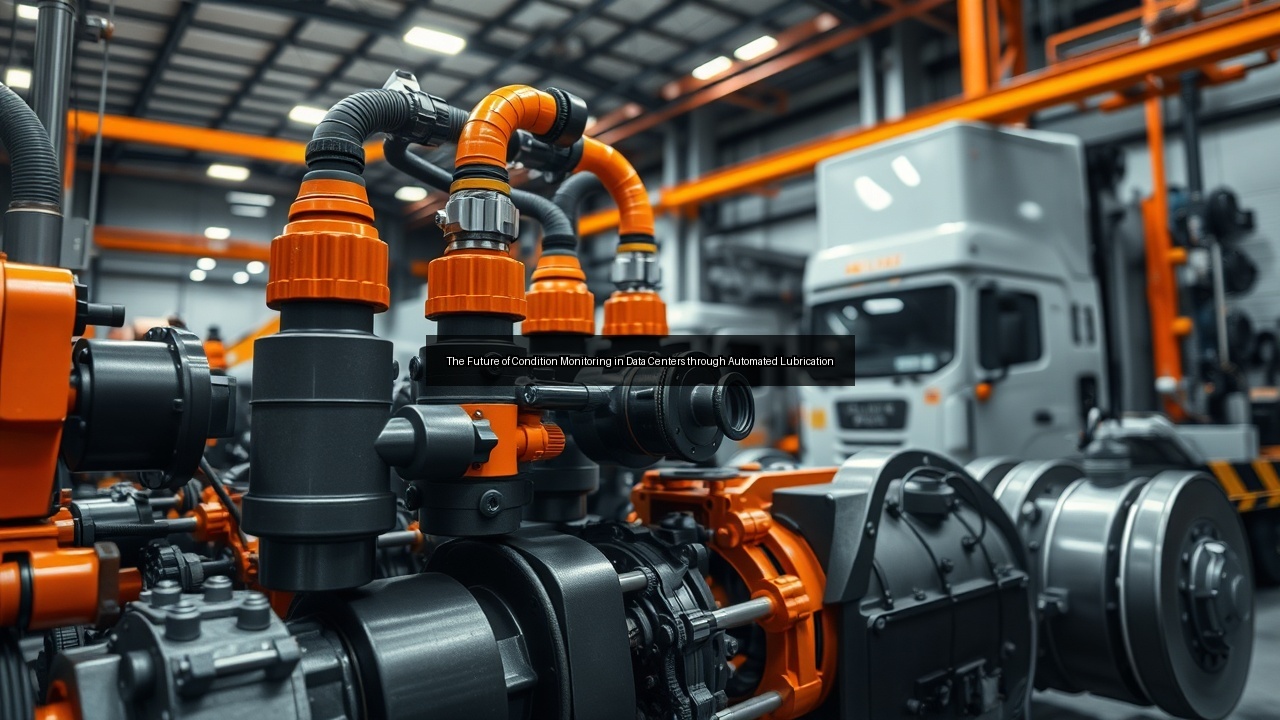
The Future of Condition Monitoring in Data Centers through Automated Lubrication
Understanding the Importance of Condition Monitoring in Data Centers
The Role of Condition Monitoring in Data Center Operations
Condition monitoring tracks the health of critical equipment in data centers through continuous data collection from sensors and systems. Operators rely on this practice to detect early signs of wear in components like bearings and compressors before failures disrupt operations. In high-density environments filled with servers and cooling units, condition monitoring integrates with automation to maintain uptime and prevent costly downtime. Data centers process massive workloads daily, so teams apply condition monitoring protocols that log vibration, temperature, and lubricant levels across pumps and automatic lubricators. This approach supports proactive decisions that keep power distribution and HVAC systems running efficiently without unexpected interruptions.
Facilities managers schedule regular scans that feed real-time insights into centralized dashboards. The process highlights deviations in pressure or oil quantity that signal impending issues in lubrication systems. Condition monitoring also connects with broader reliability strategies, allowing technicians to correlate data from multiple assets and prioritize interventions. As data centers scale, this role expands to cover interconnected networks where a single bearing fault can cascade into larger problems. Effective implementation demands calibrated equipment that captures precise metrics on lubricant distribution and component stress levels.
Benefits of Enhanced Reliability through Condition Monitoring
Enhanced reliability emerges when condition monitoring pairs with an automatic lubrication system to deliver consistent grease or oil to moving parts. Data centers achieve longer equipment lifespans because automated lubricators supply the exact quantity needed, reducing friction on bearings and compressors. This setup lowers maintenance costs by minimizing unplanned repairs and extending intervals between service calls. Reliability gains also translate into higher operational efficiency as pumps and connectors maintain optimal performance without manual intervention. Teams report fewer instances of overheating or vibration spikes that previously halted server racks.
Operators notice direct improvements in energy consumption when lubrication stays precise and consistent. Condition monitoring data confirms these benefits by tracking reduced wear rates over months of operation. Facilities avoid the expense of emergency repairs and keep servers available for continuous workloads. The combination supports sustainability goals through lower lubricant waste and fewer component replacements. Overall, reliability rises as automation handles routine tasks while monitoring systems flag anomalies for quick resolution.
Challenges in Traditional Maintenance Approaches
Traditional maintenance approaches rely on manual checks and scheduled lubrication rounds that often miss subtle changes in equipment condition. Technicians apply grease or oil at fixed intervals without real-time feedback, leading to over-lubrication or insufficient coverage on bearings and compressors. Data centers face added pressure because these methods increase labor demands and raise the risk of human error during connector adjustments or pump calibrations. Missed lubrication points accelerate wear, driving up repair frequency and associated costs.
Without integrated condition monitoring, teams struggle to predict failures in automatic lubrication systems or related components. Manual processes also generate inconsistent records that hinder long-term trend analysis. Data centers operating around the clock cannot afford the downtime caused by reactive repairs triggered by neglected lubrication. These limitations highlight why facilities shift toward automated solutions that provide measurable improvements in reliability and reduced maintenance overhead.
The Evolution of Automatic Lubrication Systems
Historical Overview of Lubrication Technologies
Lubrication technologies began with manual application using basic oil cans and grease guns on industrial machinery. Early data centers adapted these methods for cooling fans and backup generators, though results varied with operator skill. Over decades, engineers developed centralized lube systems that used pumps to push lubricant through lines to multiple points. This evolution reduced the time spent on repetitive tasks and improved consistency across bearings and compressors.
By the late twentieth century, automatic lubrication systems appeared in manufacturing and transportation sectors, including trucks and trailers. Data centers later adopted similar principles to maintain continuous uptime. Historical records show that initial setups focused on quantity control and pressure regulation to prevent dry running. These foundations paved the way for modern automation that integrates sensors and feedback loops for precise delivery.
Key Innovations in Automated Lubrication
Automated lubrication advanced through electronic controls that time lubricant release according to equipment cycles. Modern pumps and automatic lubricators incorporate programmable settings that adjust for load changes in data center compressors. Innovations include single-point greasers that attach directly to bearings and multi-line systems connected to central reservoirs. These developments allow exact lubricant quantities while monitoring pressure to avoid blockages in connectors.
Manufacturers introduced spray nozzles and metered valves that handle different oil viscosities and grease types. Integration with condition monitoring sensors marked another leap, enabling systems to pause or increase output based on real-time data. Brands now offer modular designs that scale from small server rooms to large facilities. Such progress cuts manual labor and supports higher reliability standards demanded by continuous data processing operations.
Comparative Analysis: Manual vs. Automatic Lubrication Systems
Manual lubrication requires technicians to visit each point with grease guns or oil cans, creating variability in quantity and timing. Automatic lubrication systems eliminate this inconsistency by delivering measured amounts through pumps and automatic lubricators on a programmed schedule. Data centers using manual methods experience higher maintenance costs from overlooked bearings or compressors that suffer accelerated wear.
Automatic setups provide documented delivery records that support condition monitoring efforts. Manual approaches leave gaps in coverage during off-hours or staff shortages, while automated solutions operate continuously. Facilities that switch report fewer repairs and improved uptime because lubrication reaches every connector without human scheduling conflicts. The comparison favors automation for environments where reliability directly affects service delivery and operational expenses.
Components of an Effective Automatic Lubrication System
Understanding Lubricants: Types and Applications
Lubricants range from mineral oils to synthetic greases formulated for specific temperature and load conditions in data centers. Operators select low-viscosity oils for high-speed pumps and thicker greases for bearings under constant stress. Applications focus on reducing friction in compressors and extending service life of rotating equipment. Proper type selection prevents oxidation and contamination that degrade performance over time.
Condition monitoring helps verify that the chosen lubricant maintains its properties under actual operating pressures. Data centers often standardize on a few proven formulations to simplify inventory and reduce errors during refills. Automatic lubrication systems meter these lubricants accurately, matching quantity to manufacturer specifications. This precision supports reliability goals by avoiding both under-lubrication and excess buildup that attracts dust.
The Functionality of Pumps and Automatic Lubricators
Pumps generate the pressure needed to move lubricant from reservoirs through distribution lines to individual points. Automatic lubricators regulate flow with timers or sensor triggers, ensuring consistent delivery without constant oversight. In data centers, these components attach to bearings and compressors to maintain film strength during continuous operation. Adjustable settings allow technicians to match output with equipment duty cycles and environmental factors.
Modern designs include feedback mechanisms that detect line blockages and alert staff through connected monitoring platforms. Pumps handle various lubricant viscosities while automatic lubricators prevent over-pressurization that could damage seals. The combination reduces manual intervention and supports lower maintenance costs by extending intervals between full system inspections. Reliable pump performance remains essential for uninterrupted lubrication across all critical assets.
The Critical Role of Bearings and Compressors in Data Centers
Bearings support rotating shafts in fans, pumps, and generators that keep servers cool and powered. Compressors drive chilled water or refrigerant loops essential for temperature control. Both components depend on steady lubrication to avoid metal-to-metal contact and heat buildup. Condition monitoring tracks vibration and temperature changes that indicate lubrication shortfalls before failures occur.
An automatic lubrication system supplies grease or oil at precise intervals, protecting these assets from premature wear. Data centers experience fewer unexpected repairs when bearings and compressors receive consistent coverage through automated lubricators. This protection directly influences overall facility reliability and helps control energy consumption tied to mechanical efficiency. Neglect in this area quickly escalates maintenance demands and risks broader operational disruptions.
Implementing Automated Lubrication Solutions in Data Centers
Step-by-Step Guide to Installation of Lube Systems
Installation begins with a site audit that maps all lubrication points on bearings, compressors, and pumps. Technicians then select an automatic lubrication system sized for the facility load and layout. Next, crews mount the central pump unit and route distribution lines to each connector, ensuring clear paths free of obstructions. Calibration follows to set delivery quantity and pressure according to equipment specifications.
Teams test the full circuit for leaks and confirm that automatic lubricators activate on schedule. Final integration links the system to existing condition monitoring software for unified oversight. Proper installation minimizes future repairs by establishing reliable lubrication from day one. Documentation of each step supports ongoing maintenance planning and helps new staff understand system operation.
Integrating Condition Monitoring with Lubrication Technology
Integration links sensors on bearings and compressors to the controls of an automatic lubrication system. Data on vibration, temperature, and lubricant levels flows into a common platform that adjusts output automatically when thresholds are crossed. This connection enables predictive adjustments that prevent under-lubrication during peak loads. Pumps receive signals to increase pressure or volume as needed, maintaining optimal film thickness.
Facilities gain visibility into consumption patterns that inform future lubricant orders and service schedules. Condition monitoring also flags anomalies in automatic lubricators, such as blocked lines or low reservoir levels, before they cause equipment damage. The combined approach cuts maintenance costs by shifting from fixed schedules to demand-based actions. Data centers achieve tighter control over reliability metrics through this seamless technology pairing.
Choosing the Right Brands and Equipment for Your Needs
Selection starts with evaluating brands that offer proven automatic lubrication systems compatible with data center environments. Key factors include pump capacity, lubricant compatibility, and ease of integration with existing condition monitoring tools. Equipment must handle required pressure ranges and deliver precise quantities across multiple points without frequent adjustments. Reviews and case studies from similar facilities guide decisions on durability and support availability.
Technicians compare features such as modular expandability and diagnostic capabilities in automatic lubricators. Reliable brands provide training and spare parts that reduce downtime during repairs. Matching equipment to specific compressor and bearing requirements ensures long-term performance and cost efficiency. The right choice supports sustained reliability while aligning with overall maintenance strategies.
Future Trends and Considerations in Lubrication and Maintenance
The Impact of IoT on Automated Lubrication Systems
IoT connectivity allows automatic lubrication systems to transmit performance data directly to cloud platforms for analysis. Sensors on pumps and lubricators report real-time pressure, quantity delivered, and component status across data centers. This stream of information feeds condition monitoring algorithms that optimize lubrication schedules dynamically. Operators receive alerts on mobile devices when anomalies appear in bearings or compressors.
Connected systems enable remote adjustments that reduce on-site visits and associated costs. IoT also supports fleet-level oversight when organizations manage multiple facilities, similar to monitoring trucks and trailers in logistics. Enhanced data granularity improves predictive capabilities and drives continuous reliability gains. Data centers adopting these technologies position themselves for scalable, efficient maintenance operations.
Predictive Maintenance and Its Role in Reducing Repair Costs
Predictive maintenance uses condition monitoring data to forecast when bearings or compressors require attention, allowing lubrication adjustments before damage occurs. Automatic lubrication systems respond to these forecasts by altering delivery parameters automatically. This proactive stance cuts emergency repairs and extends asset life, lowering overall maintenance costs significantly. Data centers track metrics such as vibration trends and lubricant consumption to refine predictions over time.
Teams allocate resources more effectively when they address issues at optimal moments rather than fixed intervals. Predictive models also identify patterns across multiple pumps and automatic lubricators, revealing opportunities for system-wide improvements. The result is fewer unplanned outages and reduced spending on replacement parts. Facilities that implement these strategies report measurable drops in both repair frequency and associated expenses.
Sustainability and Efficiency in Lube Solutions for Data Centers
Sustainability improves when automatic lubrication systems meter exact quantities of lubricant, minimizing waste and disposal needs. Efficient delivery reduces excess oil or grease that could contaminate server environments or require additional cleanup. Data centers lower their environmental footprint by extending component life through consistent lubrication of bearings and compressors. Condition monitoring confirms that systems operate within optimal parameters, supporting energy-efficient performance.
Modern lube solutions incorporate recyclable materials and biodegradable options where suitable. Automation decreases labor hours spent on manual tasks, freeing staff for higher-value work. Facilities achieve better efficiency ratings while maintaining high reliability standards. These combined benefits align maintenance practices with broader corporate responsibility goals and regulatory expectations around resource use.