The Future of Modular Skids in Energy Efficient Designs
Understanding Modular Skids and Their Applications
What are Modular Process Skids?
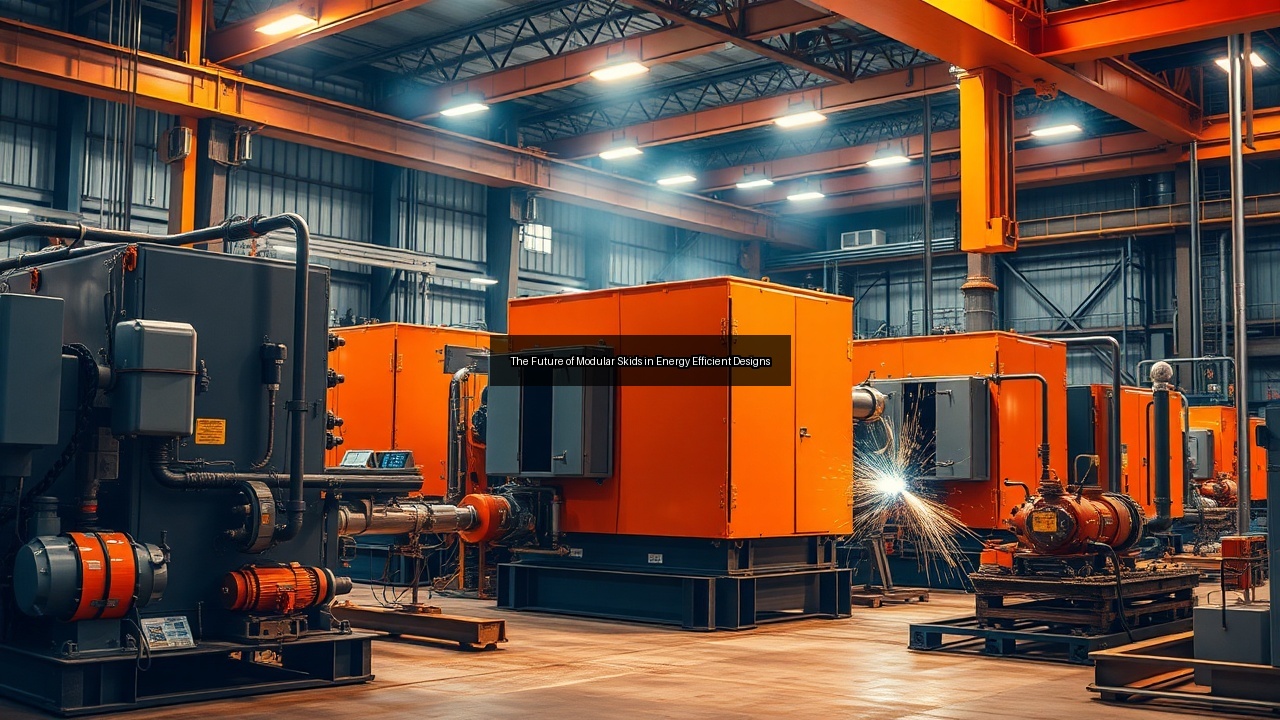
Modular process skids consist of pre-assembled units that house equipment, piping, and controls for fluid handling or processing tasks. Fabricators build these units in controlled shop environments before shipping them to job sites for quick integration. This approach cuts on-site construction time dramatically while maintaining tight tolerances in every connection. Companies across sectors rely on modular process skids to standardize layouts and simplify future expansions. The compact footprint also reduces overall facility space requirements. Skid fabrication teams coordinate structural frames, instrumentation, and electrical wiring into single transportable packages that arrive ready for tie-ins.
These skids typically integrate pumps, heat exchangers, valves, vessels, and PLC-based control panels on a single steel frame, allowing for complete functional testing prior to shipment. Common configurations range from simple pump skids handling water or hydrocarbons to complex multi-stage separation units capable of processing thousands of barrels per day. Because fabrication occurs indoors, environmental variables such as temperature fluctuations or weather delays are eliminated, resulting in higher repeatability and fewer field modifications once the modules arrive.
Key Benefits of Modular Skids in Energy Efficiency
Modular skids deliver measurable energy savings through optimized piping routes and insulated components that minimize heat loss. Shop-based skid fabrication allows precise alignment of pumps and exchangers, which lowers friction and power draw during operation. Integrated controls on these units enable real-time monitoring that prevents wasteful overruns. Manufacturers report lower utility costs after switching to modular process systems because the designs eliminate redundant runs and leaks common in field-built setups. Reduced material waste during fabrication further supports sustainability goals without sacrificing performance.
Beyond basic efficiency gains, modular designs frequently incorporate variable-frequency drives and advanced insulation systems that can reduce energy consumption by 15–25 percent compared with traditional stick-built installations. Precise shop alignment of rotating equipment also extends bearing life and reduces vibration-related losses. When owners track performance data post-commissioning, many discover that the standardized layout reduces pressure drops across the system, translating directly into lower pump horsepower requirements and measurable reductions in annual operating expenses.
Applications in the Oil and Gas Industry
The oil and gas industry adopts modular skids for separation, metering, and chemical injection duties where rapid deployment matters. Skid fabrication shops produce units rated for high pressure and corrosive fluids that meet strict industry codes. Operators install these packages on platforms or remote pads with minimal civil work, accelerating project schedules. Custom skid fabrication supports both upstream production and midstream transport needs. Fabricators incorporate explosion-proof enclosures and redundant safety valves to handle hazardous environments safely. This versatility keeps production online while controlling capital outlays.
Additional applications include wellhead production skids, gas dehydration units, and custody-transfer metering stations that must comply with API and AGA standards. In offshore environments, skids are engineered with lift points rated for dynamic loading during crane operations and are often fitted with blast-resistant walls. Onshore shale operations benefit from the ability to relocate entire metering or injection skids between pads as field development evolves, providing operational flexibility that traditional construction cannot match.
The Fabrication Process of Modular Skids
Overview of Skid Fabrication Services
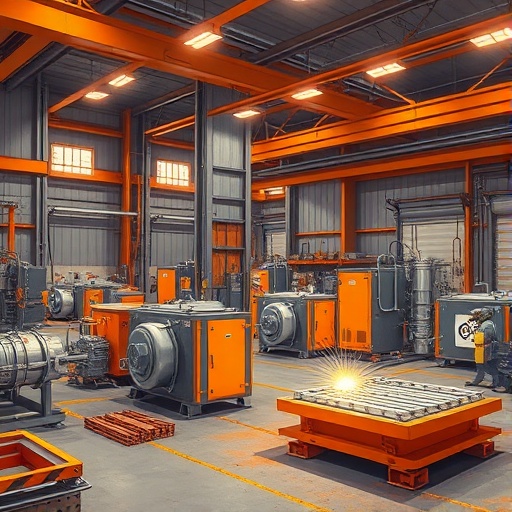
Skid fabrication services cover everything from initial drawings to final testing of complete assemblies. A typical skid fabrication company maintains dedicated bays for structural welding, pipe spooling, and equipment mounting. Clients receive progress updates through detailed schedules that track material procurement and assembly milestones. These services include surface preparation and coatings that protect against harsh operating conditions. Turnkey delivery means end users avoid coordinating multiple trades. Experienced teams handle logistics so oversized modules reach sites undamaged and on schedule.
Modern fabrication shops employ 3D modeling software to generate isometric drawings and bill-of-materials lists before any metal is cut. This digital workflow allows fabricators to identify clashes between piping and structural members early, reducing field-fit issues. After assembly, skids undergo hydrostatic or pneumatic testing, instrument loop checks, and full functional verification of control systems under simulated operating conditions. Logistics teams then coordinate heavy-haul transport permits and on-site crane planning to ensure seamless integration with existing plant infrastructure.
Welding Techniques in Modular Skid Fabrication
Skid fabrication welding demands procedures qualified for carbon steel, stainless, and specialty alloys under ASME and API standards. Welders employ orbital techniques for consistent root passes on small-diameter tubing and manual processes for heavy structural members. Post-weld heat treatment relieves stresses in critical joints before nondestructive examination confirms integrity. Proper sequencing prevents distortion that could affect equipment alignment later. Shops equipped with positioners improve access and weld quality while shortening cycle times. Documentation of every weld supports traceability required by clients and regulators.
Advanced facilities increasingly deploy automated orbital welding systems for pipe diameters up to 6 inches, achieving defect rates below 1 percent. For larger structural members, submerged-arc and flux-cored processes provide high deposition rates while maintaining mechanical properties. Every weld map is archived alongside radiographic or ultrasonic test results, creating a complete quality dossier that supports regulatory audits years after installation.
Machining Requirements for Quality Modular Skids
Machining operations on modular skids produce precise mounting surfaces for pumps, motors, and valves that maintain alignment under vibration. CNC mills and lathes create custom brackets and manifolds that fit within tight envelope dimensions. Fabricators verify flatness and hole patterns with coordinate measuring machines before releasing parts to assembly. Surface finishes on sealing faces prevent leaks that waste energy. Tight control over tolerances during machining reduces rework and ensures interchangeability of spare components across similar skids.
Typical tolerances for pump baseplates are held to 0.002 inches per foot to ensure shaft alignment remains within manufacturer specifications after grouting. Custom manifolds are often machined from solid billets to eliminate welded joints in high-pressure service, reducing potential leak points. Post-machining, surfaces receive protective coatings or passivation treatments appropriate to the service fluid before integration into the skid frame.
Design Innovations in Modular Skid Systems
Trends in Modular Process System Design
Designers now emphasize plug-and-play connectivity that lets operators swap entire modules during maintenance without extended shutdowns. Software modeling identifies energy pinch points early so modular process skids incorporate variable-speed drives and heat-recovery loops from the start. Compact layouts reduce fluid volumes and associated pumping costs. Recent projects integrate digital twins that simulate performance before fabrication begins. These trends shorten commissioning periods and improve long-term reliability across multiple facilities.
Many new designs feature standardized interface connections using quick-connect flanges and pre-wired junction boxes, enabling module exchange in under four hours. Digital twin technology allows operators to test control strategies virtually and optimize setpoints before the physical skid is built, cutting commissioning time by up to 30 percent. These innovations also support remote diagnostics, letting subject-matter experts troubleshoot issues from anywhere in the world.
Materials Used in Skid Fabrication: Alloys and Beyond
Skid fabrication relies on duplex stainless and nickel alloys when fluids contain chlorides or hydrogen sulfide. Carbon steel frames receive galvanized or epoxy coatings for atmospheric protection, while internal piping matches process chemistry. Advanced composites appear in non-pressure supports to cut weight and improve corrosion resistance. Material selection balances initial cost against lifecycle energy performance and maintenance intervals. Traceable mill certificates accompany every alloy shipment to satisfy quality records and client audits.
For sour-service applications, fabricators often select 2205 duplex stainless or Alloy 625 to resist sulfide stress cracking. Where weight reduction is critical, such as offshore crane lifts, aluminum or fiber-reinforced polymer structural members can reduce module weight by 20–40 percent while maintaining required strength. Each material choice is documented with corrosion-rate calculations and expected service life estimates to support asset-management programs.
Safety Considerations in Skid Design
Safety features start with proper spacing around rotating equipment and clear access to isolation valves. Relief devices sized for credible scenarios protect personnel and assets during overpressure events. Grounding and bonding prevent static accumulation in flammable service. Designers locate instrumentation in ergonomic positions that encourage routine checks. Fireproofing and blast-resistant panels address site-specific hazards common in the oil and gas industry. Thorough hazard and operability reviews validate every layout before fabrication releases.
Additional layers of protection include emergency shutdown valves with SIL-rated solenoids, gas detection tied directly to skid controls, and deluge systems for high-fire-risk areas. Human-factor engineering ensures valve handwheels and local indicators remain reachable from grade without ladders. All safety systems undergo full functional testing, including simulated power-failure scenarios, before the skid leaves the shop.
Quality Control and Management in Skid Fabrication
The Role of Quality Assurance in Skid Manufacturing
Quality assurance programs verify material certificates, welder qualifications, and dimensional checks at defined hold points. Inspectors witness pressure tests and functional checks of control loops before modules leave the shop. Nonconformances trigger root-cause analysis and corrective actions that feed back into future builds. Documented procedures ensure consistency across multiple skids ordered for the same project. Clients gain confidence when they review inspection records that demonstrate compliance with purchase specifications.
Many fabricators maintain ISO 9001-certified quality management systems and employ third-party inspectors for critical hold points. Statistical process control is applied to key dimensions and weld parameters, https://agifabricators.com/process-skids/ allowing early detection of trends that could affect final product quality. Complete data packages, including material test reports, weld maps, and calibration certificates, are delivered electronically for easy integration into the owner’s document-control system.
Licensing and Compliance in Skid Fabrication
Skid fabrication companies maintain ASME stamps, API licenses, and regional pressure-equipment certifications required for export markets. Weld procedure qualifications cover the full range of materials and thicknesses encountered in client specifications. Regulatory bodies audit shops periodically to confirm continued adherence to code requirements. Proper licensing reduces project risk and accelerates permit approvals at installation sites. Fabricators track expiration dates to avoid delays during tight construction windows.
International projects often require additional certifications such as PED for European markets or CRN registration for Canadian provinces. Shops performing work under nuclear or aerospace quality programs implement even stricter traceability and documentation protocols. Maintaining these licenses demands ongoing welder performance qualification and annual audits that verify both technical capability and procedural compliance.
Risk Management in Skid Fabrication Processes
Risk assessments identify schedule, technical, and supply-chain vulnerabilities early in the fabrication process. Mitigation steps include dual sourcing of long-lead valves and buffer stock of common fittings. Insurance coverage addresses potential damage during transport or testing. Regular progress meetings surface emerging issues before they impact delivery. Contingency plans for weather or labor shortages keep projects moving while protecting margins for both the fabricator and the owner.
Advanced risk registers are updated weekly and reviewed with clients during progress meetings. Monte Carlo simulations are sometimes used to quantify schedule risk and determine optimal buffer placement. When supply-chain disruptions occur, fabricators with established global supplier networks can quickly qualify alternate sources while preserving material traceability and code compliance.
Future Trends and Technologies in Modular Skids
Emerging Technologies in Modular Skid Fabrication
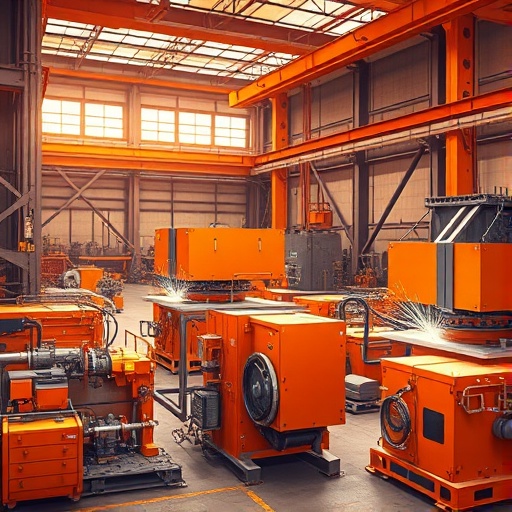
Automated welding cells and robotic pipe spoolers increase throughput while improving repeatability in skid fabrication. Additive manufacturing produces complex manifolds that reduce leak paths and weight. Sensors embedded during assembly provide continuous health data once the skid enters service. Cloud-based project management platforms link fabricators, engineers, and owners in real time. These technologies shorten lead times and raise the performance bar for future modular process skids.
Artificial-intelligence-driven weld inspection tools are beginning to interpret radiographic images faster than human reviewers, flagging anomalies for further evaluation. Edge-computing devices mounted on skids can analyze vibration and temperature data locally, sending only actionable alerts to central control rooms. These capabilities support predictive maintenance strategies that further improve uptime and reduce lifecycle costs.
Cost Considerations for Skid Fabrication Companies
Material price volatility and labor availability drive the largest cost variables in skid fabrication. Early engagement with fabricators allows value engineering that trims unnecessary features without compromising function. Standardized module designs amortize engineering hours across multiple units. Efficient shop layouts and just-in-time material delivery further compress overhead. Transparent quoting that separates fabrication, testing, and logistics helps owners compare bids accurately and control total installed cost.
Owners who involve fabricators during the conceptual phase often realize 10–15 percent savings through optimized layouts and standardized components. Long-term agreements with fabricators can lock in labor rates and material pricing, shielding projects from market swings. Detailed cost breakdowns also help owners understand where design choices most affect the final installed price, enabling informed trade-off decisions.
The Role of Expert Fabricators in Advancing Designs
Expert fabricators contribute practical knowledge that refines modular skid layouts for constructability and maintainability. Their input during front-end engineering prevents costly changes after fabrication starts. Continuous investment in training and equipment keeps these specialists at the forefront of new joining methods and inspection techniques. Collaboration between fabricators and process engineers yields energy-efficient solutions tailored to specific operating envelopes. This partnership ultimately accelerates adoption of modular process systems across demanding industries.
Leading fabricators now participate in industry research consortia focused on modularization standards and digital delivery methods. Their field experience informs the development of next-generation connection systems and modular electrical distribution designs that further reduce installation time. By sharing lessons learned across multiple projects, these experts help the entire sector raise quality and performance benchmarks for modular process skids.