The Future of Spacecraft Manufacturing Driven by CNC Technology
The Evolution of CNC Technology in Aerospace Manufacturing
Historical Overview of CNC in Aerospace
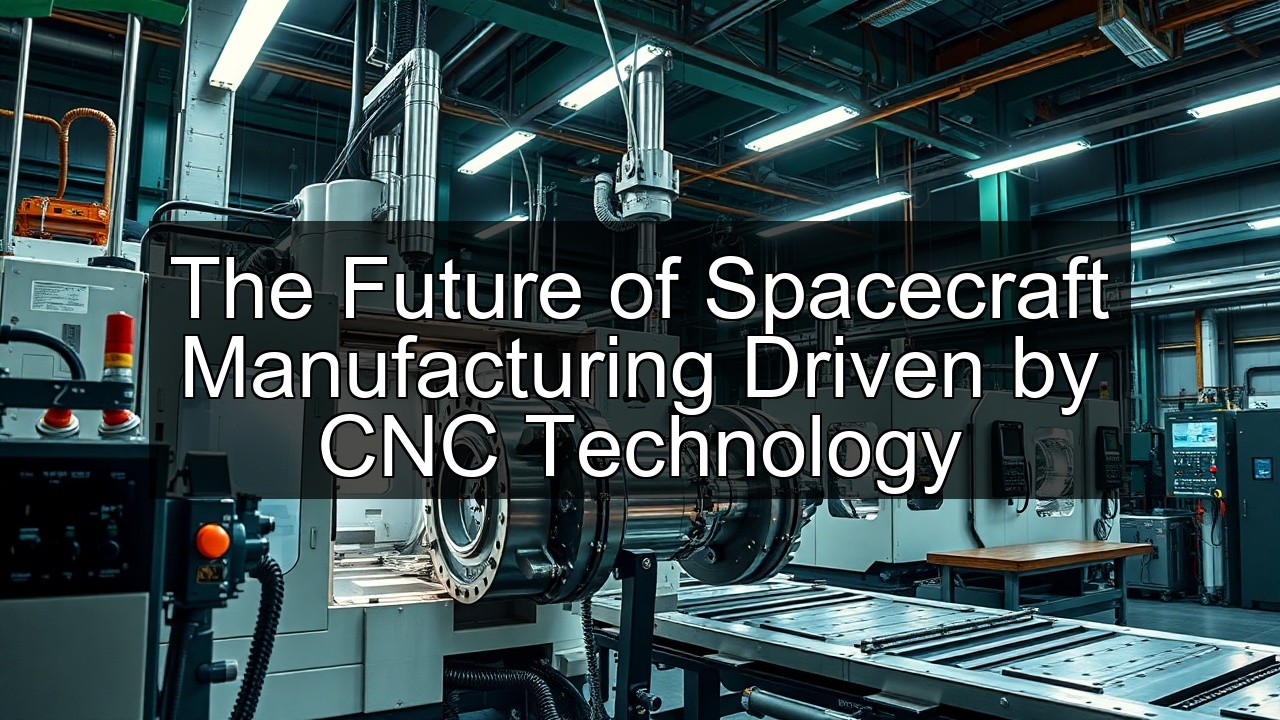
CNC technology revolutionized aerospace manufacturing by introducing computer-controlled precision to complex machining tasks. Engineers first adopted CNC machines in the mid-20th century to handle the intricate demands of aircraft and spacecraft production. During the 1950s, the aerospace industry relied on manual milling and lathe operations, but these methods struggled with the tolerances required for high-stakes components like engine parts and avionics housings. NASA and leading aerospace companies began experimenting with numerically controlled systems to streamline prototyping and production. By the 1960s, CNC lathes and mills became staples in machine shops, enabling machinists to craft aluminum alloys and titanium parts with unprecedented accuracy. This shift addressed the growing needs of the space race, where even minor errors could doom missions. Today, CNC aerospace machining underpins everything from general aviation fuselages to military aircraft frames, blending historical ingenuity with modern digital interfaces. The transition marked a pivotal moment, reducing human error in tasks like grinding shafts and welding assemblies, and setting the stage for scalable manufacturing in the aerospace sector.
Key Milestones in CNC Development
Major breakthroughs in CNC development propelled aerospace manufacturing into a new era of efficiency and innovation. In 1952, the MIT Servomechanisms Laboratory unveiled the first true CNC machine, a mill that used perforated tape for instructions, which aerospace engineers quickly adapted for missile and rocket components. The 1970s brought microprocessor integration, allowing for more complex programs in CAD-driven designs, essential for spacecraft assembly. By 1980, five-axis CNC machines emerged, enabling intricate cuts on superalloys and composite materials without repositioning parts. NASA's adoption of these systems during the Space Shuttle program highlighted their reliability in producing heat shields and structural elements. The 1990s saw the rise of high-speed machining, slashing production times for OEM parts in the aerospace industry. Recent milestones include hybrid CNC systems combining milling, turning, and EDM for versatile applications in power generation and avionics. These advancements not only boosted precision and accuracy but also expanded CNC services to include rapid prototyping for satellites and drones, transforming how aerospace companies approach fabrication.
Impact of CNC on Aerospace Manufacturing Processes
CNC technology transformed aerospace manufacturing processes by enhancing speed, reliability, and customization across the board. Traditional methods often involved labor-intensive setups for machining aerospace parts, but CNC machines automate tool paths via CAD models, ensuring consistent results for everything from aluminum frames to stainless steel fittings. This automation reduces waste in materials like titanium and copper, critical for cost control in high-volume production. In the aerospace sector, CNC integration has shortened lead times for aircraft components, allowing companies to meet stringent FAA regulations. Machinists now focus on oversight rather than manual operation, freeing up skills for innovation in areas like wire EDM for delicate electrical components. The impact extends to quality control, where in-process monitoring prevents defects in complex assemblies. For spacecraft, CNC enables the fabrication of lightweight structures vital for launch efficiency. Overall, CNC aerospace machining has democratized precision engineering, benefiting aviation, military aircraft, and even automotive crossovers, while fostering a more sustainable manufacturing ecosystem through optimized resource use.
Applications of CNC Machining in Spacecraft Production
CNC Machining for Engine Components
CNC machining excels in producing engine components for spacecraft, where durability and precision define mission success. Engineers rely on multi-axis CNC lathes to shape turbine blades from superalloys, enduring extreme temperatures during rocket propulsion. These machines handle the complexity of internal geometries in fuel injectors and shafts, using tools like grinding and milling to achieve micron-level tolerances. In NASA's programs, CNC fabricates lightweight aluminum alloys for engine housings, reducing overall spacecraft mass without compromising strength. The process integrates seamlessly with CAD designs, allowing for iterative prototyping of combustion chambers and nozzles. Aerospace companies leverage CNC services to incorporate coatings on these parts, enhancing resistance to corrosion and wear. For electric propulsion systems, CNC crafts intricate copper windings and semiconductors for thrusters. This application not only streamlines production but also supports maintenance by enabling exact replacement parts. As spacecraft evolve toward reusable designs, CNC machining ensures engines meet the rigorous demands of repeated launches, bridging traditional aviation techniques with futuristic space architecture.
Precision Manufacturing of Aerospace Parts
Precision manufacturing of aerospace parts through CNC technology guarantees the reliability needed for flight-critical applications. CNC mills and lathes produce components like wing spars and landing gear from titanium and alloy steel, adhering to exact specifications that manual methods can't match. In the aerospace industry, this precision minimizes vibrations in high-speed environments, crucial for commercial aircraft and missiles. Machinists program machines to perform operations such as drilling, tapping, and contouring on composite materials, integrating avionics mounts directly into structures. CNC aerospace machining services offer turnkey solutions, from initial CAD modeling to final assembly, speeding up prototyping for innovative designs. Companies in general aviation use these capabilities to customize parts for small aircraft, while larger OEMs scale production for fleets. The inclusion of non-destructive testing within the workflow ensures parts withstand operational stresses. By focusing on metals like stainless and aluminum, CNC delivers parts that enhance fuel efficiency and safety, driving advancements in both manned and unmanned spacecraft production.
Role of CNC in Aerospace Maintenance, Repair, and Overhaul (MRO)
CNC plays a vital role in aerospace maintenance, repair, and overhaul (MRO) by enabling quick, accurate restoration of aircraft and spacecraft components. During MRO cycles, technicians use CNC machines to refurbish worn engine parts, recreating original geometries with high fidelity using reverse-engineered CAD files. This approach cuts downtime for military aircraft and commercial jets, as CNC lathes repair shafts and turbines from superalloys efficiently. In the aerospace sector, CNC supports on-site machine shops equipped for grinding and welding repairs, ensuring compliance with safety standards. For spacecraft, post-mission analysis often reveals micro-damage in structures; CNC machining services address this by fabricating precise replacements from advanced materials. Automation in MRO workflows incorporates robotics for consistent quality control, reducing human error in handling delicate avionics and electrical components. Airlines and space agencies benefit from CNC's versatility in processing aluminum and composites, extending asset life cycles. Ultimately, CNC enhances MRO efficiency, lowering costs and supporting sustainable practices in aviation and beyond.
Advancements in Materials and Techniques
Utilizing Advanced Materials for Aerospace Components
Advanced materials drive CNC applications in aerospace components, enabling lighter, stronger designs for spacecraft and aircraft. Titanium and superalloys dominate engine fabrication, where CNC machining achieves fine surface finishes to withstand thermal stresses. Aluminum alloys lighten fuselages, with CNC mills cutting intricate profiles for structural integrity. In the aerospace industry, these materials pair with techniques like wire EDM for semiconductor housings in avionics. NASA pioneers CNC use with high-performance polymers for non-structural parts, reducing weight in satellites. Composites, including carbon fiber reinforced variants, undergo CNC routing for seamless integration into wings and rocket bodies. Machinists select coatings post-machining to boost corrosion resistance on steel and copper elements. This material evolution supports power generation in hybrid propulsion systems, where precision cuts ensure efficient energy transfer. CNC aerospace machining adapts to these innovations, fostering breakthroughs in durability and performance across military, commercial, and space domains.
The Rise of Additive Manufacturing in Aerospace
Additive manufacturing surges in aerospace, complementing CNC for hybrid production of complex parts. 3D printing builds intricate geometries in metals like titanium, ideal for fuel nozzles unattainable via traditional milling. Aerospace companies integrate CNC finishing on 3D printed components to refine surfaces and add mounting features. NASA's use of additive techniques accelerates prototyping for rocket engines, slashing development time. In CNC aerospace machining, post-processing involves grinding and coating to meet aviation standards. This rise enables on-demand fabrication of custom avionics enclosures from alloy steel, supporting rapid iterations in spacecraft design. Military aircraft benefit from lightweight 3D printed brackets machined precisely for vibration resistance. The synergy with CNC services expands to general aviation, where small batches of parts reduce inventory needs. As techniques evolve, additive manufacturing enhances innovation, blending layer-by-layer building with subtractive CNC for superior quality control and material efficiency.
Integration of High-Performance Polymers and Composites
High-performance polymers and composites integrate seamlessly into CNC processes, revolutionizing aerospace component design. CNC routers shape carbon fiber panels for spacecraft fairings, preserving material strength while achieving aerodynamic contours. Polymers like PEEK endure harsh environments in engine seals, machined via specialized tools to avoid delamination. In the aerospace manufacturing landscape, these materials cut weight in aircraft interiors and satellite structures, with CNC ensuring tight tolerances for assembly. Machinists employ waterjet and milling hybrids for composites, minimizing dust and heat damage. NASA's experiments highlight CNC's role in fabricating radomes from polymer blends, vital for communication systems. This integration extends to military applications, where composites form stealthy missile casings processed with precision. CNC services now include non-destructive testing to verify integrity post-machining. By leveraging these advanced materials, the industry achieves fuel savings and enhanced durability, propelling innovations in space architecture and beyond.
Automation and Robotics in CNC Machining
The Future of Industrial Automation in Aerospace
Industrial automation shapes the future of aerospace manufacturing, with CNC at its core for streamlined operations. Robots handle material loading and unloading on CNC machines, boosting throughput in high-volume production of aircraft fuselages. In the aerospace industry, automation integrates CAD-driven workflows to fabricate parts from aluminum to titanium without interruptions. NASA's facilities employ automated cells for rocket assembly, where CNC lathes process shafts autonomously. This evolution reduces labor costs while maintaining skill levels for oversight. General aviation firms adopt compact automation for custom orders, enhancing flexibility. Power generation components benefit from 24/7 unmanned runs, ensuring precision in superalloy machining. As AI refines tool paths, industrial automation minimizes errors in complex geometries. CNC aerospace machining thrives under this paradigm, supporting scalable innovation from prototyping to full-scale manufacturing.
Robotic Machinists: Enhancing Precision and Accuracy
Robotic machinists elevate precision and accuracy in CNC operations, tackling the demands of aerospace components. Equipped with sensors, these robots execute multi-axis milling on engine parts, adjusting in real-time for material variances in composites and metals. Aerospace companies deploy them for wire EDM on delicate avionics, achieving sub-micron finishes unattainable manually. In spacecraft production, robotic arms integrate welding and grinding, ensuring seamless joins in aluminum structures. Machinists program these systems via intuitive interfaces, focusing on optimization rather than operation. Military aircraft repairs leverage robots for consistent quality in high-stress areas like turbine blades. The enhancement extends to prototyping, where speed meets exactness for rapid design validation. CNC services incorporating robotics cut cycle times by up to 50%, fostering reliability in missions. This technology promises even greater strides, blending human ingenuity with machine reliability for the next generation of aviation and space exploration.
The Role of Automation in Quality Control
Automation revolutionizes quality control in CNC machining, embedding checks throughout aerospace production. Inline sensors on CNC machines detect deviations during milling of titanium shafts, halting operations if tolerances slip. In the aerospace sector, automated vision systems inspect surfaces for defects in composite layups and metal coatings. NASA's protocols use robotics for non-destructive testing on rocket components, verifying integrity without disassembly. This role ensures compliance with rigorous standards for aircraft and missiles, reducing scrap rates. Machinists rely on data analytics from automated logs to refine processes, enhancing overall precision. For MRO, automation scans repaired parts like engine housings for wear, streamlining approvals. CNC aerospace machining benefits from predictive maintenance, where machines self-diagnose to prevent failures. Ultimately, automation fortifies trust in manufactured goods, from semiconductors in avionics to structural elements in spacecraft, driving efficiency and safety.
Challenges and Innovations in CNC Aerospace Machining
Addressing the Complexity of Aerospace Components
The complexity of aerospace components challenges CNC machining, demanding innovative solutions for intricate designs. Spacecraft parts like avionics brackets involve multi-material hybrids, requiring advanced CNC programming to navigate undercuts and thin walls in titanium and polymers. Engineers address this through five-axis machines that rotate workpieces seamlessly, ideal for engine internals. In the aerospace industry, thermal expansion in superalloys during grinding poses risks; coolant systems and adaptive controls mitigate these. NASA's challenges with rocket nozzles spur hybrid techniques combining CNC and 3D printing for hollow structures. Machinists tackle electrical components by integrating EDM for fine details without burrs. This complexity fosters skill development, with machine shops investing in simulation software to preview cuts. CNC services evolve to handle these hurdles, ensuring parts for military aircraft and satellites meet extreme performance criteria while optimizing costs.
Innovation in CNC Machining Services
Innovation propels CNC machining services forward, offering tailored solutions for the aerospace industry's diverse needs. Providers now deliver end-to-end services, from CAD design to coated prototypes, accelerating time-to-market for new aircraft features. In spacecraft manufacturing, innovations include AI-optimized toolpaths that reduce machining time on aluminum alloys by 30%. Aerospace companies partner with service firms for on-demand fabrication of custom fittings in stainless steel and copper. The rise of cloud-based CNC platforms enables remote monitoring, vital for global OEM collaborations. Machinists innovate with sustainable practices, like recycling metal shavings from milling operations. For general aviation, services incorporate rapid turnaround for repair parts, using lathes for precise shaft restoration. These advancements address related searches like precision aerospace machining, enhancing competitiveness and reliability across aviation, power generation, and space sectors.
Future Trends in Aerospace Manufacturing Technologies
Future trends in aerospace manufacturing technologies center on smarter, greener CNC integrations for spacecraft evolution. Digital twins simulate entire production lines, predicting outcomes for complex assemblies in composites and superalloys. Aerospace engineering leans toward AI-driven CNC that self-adjusts for material inconsistencies, perfect for next-gen rocket engines. Sustainability drives trends like low-emission machining fluids and recycled aluminum in aircraft frames. NASA's vision includes nanoscale precision for avionics, blending CNC with semiconductors for advanced electronics. Trends extend to modular spacecraft, where CNC enables plug-and-play components via standardized milling. Military applications foresee autonomous factories producing missiles with minimal oversight. Innovations in high-performance polymers will lighten loads, machined efficiently for extended missions. CNC aerospace machining will incorporate blockchain for traceability, ensuring quality from raw metals to final products. These trends promise a dynamic future, merging automation, materials science, and digital tools to redefine space exploration and aviation.
See Also
- Unlocking Precision in the Skies with CNC Aerospace Machining
- Exploring the Role of CNC Machining in Military Aircraft Production
- The Intersection of Innovation and Precision in Aerospace CNC Machining
- Streamlining Aircraft Maintenance with Advanced CNC Machining Techniques
- CNC Machining Services A Game Changer for Aerospace Companies