The Role of AC Drive Repair in Modern Automation Systems
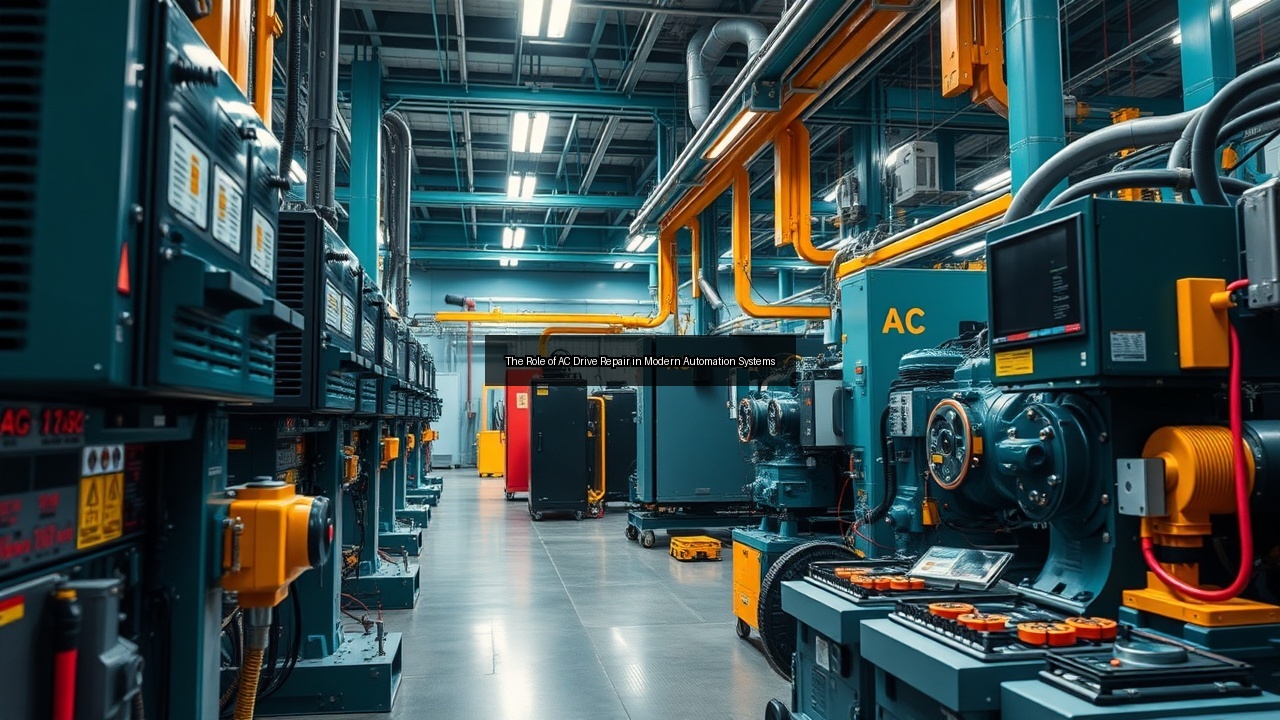
Understanding AC Drives and Their Importance in Automation
What are AC Drives?
AC drives control the speed and torque of electric motors in automation systems. Engineers design these devices to convert fixed AC input power into adjustable voltage and frequency output. This adjustment allows precise regulation of motor performance, essential for industries relying on automation. AC drives, often called variable frequency drives or VFDs, integrate seamlessly with industrial electronics to optimize operations in manufacturing plants and processing facilities.
At their core, AC drives manage power delivery to AC motors, preventing overloads and enhancing efficiency. They handle applications from conveyor belts to pumps, ensuring smooth automation workflows. Without reliable AC drives, production lines halt, underscoring their role in modern setups. Technicians often pair them with servo motors for high-precision tasks, where exact speed control matters most.
Manufacturers build AC drives with robust components like inverters and rectifiers to withstand harsh environments. In mining operations, for instance, these drives power heavy machinery, enduring dust and vibrations. Customers value AC drives for their versatility, supporting everything from simple fans to complex servo systems. Proper integration boosts overall system reliability, making AC drive repair a critical consideration from the start.
Understanding AC drives reveals their foundational place in automation. They transform raw electrical energy into controlled motion, driving productivity across sectors. As industries evolve, AC drives adapt, incorporating advanced features like regenerative braking to recover energy. This innovation keeps automation systems agile and cost-effective, highlighting why professionals prioritize quality in every AC drive installation.
The Functionality of Variable Frequency Drives (VFDs)
Variable frequency drives, or VFDs, adjust the frequency and voltage supplied to AC motors, enabling variable speed operation. This functionality stems from their ability to modulate electrical signals, allowing motors to run at optimal speeds for specific tasks. In automation, VFDs reduce energy consumption by matching motor speed to demand, a key factor in industrial electronics.
VFDs operate through three main stages: rectification, DC link, and inversion. Rectifiers convert incoming AC to DC, the DC link smooths the power, and inverters recreate AC at the desired frequency. This process ensures electric motors receive tailored power, preventing wear and tear. Operators use VFDs to control pumps, fans, and compressors, achieving precise automation without mechanical adjustments.
In practice, VFDs enhance reliability by soft-starting motors, minimizing inrush currents that could damage equipment. They integrate with sensors for real-time feedback, adjusting frequency dynamically. For servo motor applications, VFDs provide the finesse needed for positioning tasks in robotics. Manufacturers like ABB and Siemens lead in VFD technology, offering models with built-in diagnostics for easier maintenance.
Energy savings from VFDs can reach 50% in variable load scenarios, making them indispensable in cost-conscious operations. In mining, VFDs drive conveyor systems over long distances, maintaining consistent speeds despite load changes. Customers report fewer breakdowns when using high-quality VFDs, emphasizing the need for expert AC drive repair services to sustain performance.
Overall, VFD functionality revolutionizes automation by bridging power electronics and mechanical systems. They empower engineers to fine-tune processes, from frequency adjustments for generators to torque control in heavy machinery. As automation demands grow, VFDs evolve, incorporating IoT for remote monitoring and predictive upkeep.
The Role of Inverter Drives in Industrial Electronics
Inverter drives form the backbone of industrial electronics, converting DC to AC power for motor control in automation environments. These devices, a subset of AC drives, excel in applications requiring variable speed and precise torque. In factories, inverter drives synchronize multiple motors, ensuring coordinated operations in assembly lines and material handling.
Their role extends to protecting equipment by filtering harmonics and stabilizing voltage. Inverter drives use pulse-width modulation to generate clean AC waveforms, reducing electrical noise that could interfere with sensitive electronics. Paired with servo motors, they deliver the accuracy needed for CNC machines and automated welding systems.
Manufacturers design inverter drives for durability, with cooling systems to handle high-power demands. In mining, they power crushers and hoists, where reliability prevents costly downtimes. Inverter drives also support energy recovery, feeding excess power back to the grid via regenerative features, aligning with sustainability goals.
Industrial electronics rely on inverter drives for scalability, from small servo applications to large-scale automation. They interface with PLCs for seamless control, enabling data-driven decisions. Customers benefit from their modularity, allowing upgrades without full system overhauls. AC drive repair for inverters focuses on component-level fixes, extending lifespan and maintaining efficiency.
In essence, inverter drives elevate industrial electronics by providing flexible power conversion. They address challenges like frequency variations in global operations, ensuring consistent performance. As automation integrates more AI, inverter drives will adapt, incorporating smart algorithms for autonomous adjustments and enhanced reliability.
The Significance of AC Drive Repair for Reliability
Impact of AC Drive Failures on Automation Systems
AC drive failures disrupt automation systems, causing immediate production halts and cascading inefficiencies. When a VFD malfunctions, motors may stall or overspeed, leading to mechanical damage in connected equipment like pumps and conveyors. In high-stakes environments such as manufacturing, these outages result in lost revenue, often exceeding thousands per hour.
The ripple effects extend beyond downtime; faulty AC drives can trigger safety hazards, from overheating to electrical shorts. In mining, a failed drive on a generator could immobilize excavation, delaying entire projects. Automation relies on seamless integration, so one drive failure compromises system-wide reliability, affecting electric motors and servo components downstream.
Financially, unplanned repairs strain budgets, while repeated issues erode customer trust. Studies show that proactive AC drive repair reduces failure rates by up to 70%, preserving operational flow. Without it, industries face escalated energy costs from inefficient motor runs, amplifying the urgency for robust maintenance strategies.
Failures also impact data integrity in smart automation, where drives log performance metrics. A malfunction skews readings, misleading operators about system health. In industrial electronics, this leads to misguided decisions, further entrenching unreliability. Addressing AC drive repair head-on safeguards the interconnected ecosystem, ensuring automation delivers consistent value.
Ultimately, the impact underscores AC drives as linchpins in modern setups. Neglecting repair invites vulnerability, while diligent service fortifies resilience against operational threats.
Common Issues Leading to AC Drive Malfunctions
Overheating tops the list of common issues in AC drive malfunctions, often caused by poor ventilation or overloaded circuits in dusty industrial settings. VFDs generate heat during frequency conversions, and without adequate cooling, components like capacitors degrade, leading to erratic performance in automation systems.
Electrical surges from unstable power supplies damage inverters, causing output inconsistencies that affect motor speeds. In mining operations, voltage spikes from generators exacerbate this, frying sensitive electronics. Harmonic distortion, another frequent culprit, arises from nonlinear loads, stressing the drive and reducing efficiency in variable speed applications.
Mechanical wear, such as loose connections or worn bearings in connected electric motors, indirectly burdens AC drives, prompting premature failures. Software glitches in programmable drives can misalign frequency outputs, halting servo motor operations. Environmental factors like humidity corrode internals, particularly in non-sealed units used in harsh environments.
Neglected maintenance amplifies these issues; dust accumulation clogs fans, while infrequent firmware updates leave drives vulnerable to bugs. Customers often overlook input power quality, where imbalances cause uneven load distribution. Identifying these patterns through AC drive repair diagnostics prevents escalation, maintaining reliability across brands.
Addressing common malfunctions requires vigilance. Technicians trained in industrial electronics spot early signs, from unusual noises to error codes, ensuring timely interventions that keep automation humming without interruptions.
The Importance of Regular Maintenance and Repair
Regular maintenance and repair of AC drives sustain reliability, preventing minor glitches from evolving into major breakdowns in automation systems. Scheduled inspections catch issues like capacitor aging or firmware obsolescence early, extending drive lifespan by years and minimizing unplanned downtime.
In industrial electronics, routine checks on VFDs involve cleaning contacts and verifying cooling systems, crucial for high-frequency operations. This practice optimizes energy use, as well-maintained drives run motors at peak efficiency, cutting costs in energy-intensive sectors like mining.
Repair services focus on component swaps, such as replacing faulty IGBTs in inverters, restoring full functionality without full replacements. Manufacturers recommend quarterly reviews for heavy-use applications, integrating predictive tools to forecast failures based on usage data.
Customers gain from enhanced safety; proactive AC drive repair averts hazards like arc flashes from degraded insulation. It also complies with industry standards, avoiding fines and insurance hikes. In servo motor setups, precise calibration during maintenance ensures accuracy, vital for quality control in manufacturing.
Beyond technical benefits, regular upkeep builds operational confidence, allowing teams to focus on innovation rather than firefighting. Investing in AC drive repair services yields returns through reduced waste and sustained productivity, proving essential for competitive automation landscapes.
Choosing the Right AC Drive Repair Service
Factors to Consider When Selecting a Repair Service
Expertise in industrial electronics stands as the primary factor when selecting an AC drive repair service, ensuring technicians handle VFDs and inverters with precision. Look for certifications from bodies like ISA, guaranteeing knowledge of frequency control and motor integration in automation systems.
Turnaround time matters greatly; top services offer rapid diagnostics and repairs, often within 24-48 hours, minimizing downtime in critical operations. Evaluate their inventory of parts for major brands, as delays in sourcing components can halt production lines.
Cost transparency and warranty coverage provide peace of mind. Reputable drive repair services detail pricing upfront, including labor and parts, while offering guarantees on workmanship. Customer reviews reveal reliability, highlighting responsiveness in sectors like mining where rugged drives demand specialized care.
Proximity and on-site capabilities add value; local services reduce shipping risks for heavy AC drives, and mobile teams address urgent issues without disassembly. Integration with manufacturer protocols ensures compatibility, preserving system energy efficiency post-repair.
Ultimately, choose based on a holistic assessment. A service excelling in AC motor repair and servo troubleshooting aligns with diverse automation needs, delivering long-term reliability and cost savings for discerning customers.
The Role of Manufacturers in AC Drive Repair
Manufacturers play a pivotal role in AC drive repair by providing authorized support and genuine parts, ensuring repairs meet original specifications for optimal performance in automation. Companies like Rockwell Automation offer factory-trained technicians who diagnose issues in VFDs and inverters with proprietary tools.
They maintain extensive databases of drive models, from variable speed drives to servo systems, enabling precise fixes that restore energy efficiency. Manufacturer involvement extends to warranty repairs, covering defects without voiding coverage, a boon for industrial electronics users.
In mining, manufacturers collaborate on ruggedized repairs, addressing environmental stresses like vibration and dust. They also supply firmware updates, enhancing drive capabilities and preventing obsolescence. This direct support fosters reliability, as repairs align with design intent.
Beyond repairs, manufacturers educate customers through training programs, empowering in-house teams for basic maintenance. Partnerships with third-party services ensure global reach, combining OEM expertise with local agility. For generators and electric motors, their role in holistic system repairs prevents isolated fixes from causing broader issues.
Engaging manufacturers in AC drive repair secures longevity and innovation. Their insights into evolving technologies keep automation systems ahead, delivering value through dependable, high-quality interventions.
Evaluating Repair Brands and Their Reputation
Evaluating repair brands starts with their track record in handling AC drive repairs, focusing on success rates and customer testimonials across automation applications. Brands like Drives & Automation boast decades of experience, specializing in VFD overhauls for industrial electronics.
Reputation hinges on specialization; top brands excel in niche areas, such as servo motor integrations or mining-grade inverters, where durability trumps generics. Check ISO certifications for quality assurance, ensuring repairs meet stringent standards for frequency and energy management.
Customer feedback on platforms like Trustpilot reveals responsiveness, with high-rated brands offering detailed reports post-repair. Their partnerships with manufacturers signal authenticity, using OEM parts to maintain warranty integrity. In competitive markets, brands with mobile repair units earn praise for minimizing disruptions.
Cost-effectiveness factors in; reputable brands balance affordability with thoroughness, avoiding cut-rate fixes that compromise reliability. Case studies from energy sectors highlight their impact, such as reducing failures in variable speed drives by 40%. Diverse portfolios covering AC motor repair broaden appeal.
Selecting based on reputation yields trusted partnerships. Brands with proven expertise in drive repair services safeguard investments, ensuring seamless automation and satisfied customers long-term.
AC Drive Repair Techniques and Best Practices
Diagnostic Tools for Troubleshooting AC Drives
Multimeters and oscilloscopes lead diagnostic tools for troubleshooting AC drives, measuring voltage, current, and waveforms to pinpoint faults in VFDs and inverters. These instruments detect irregularities like harmonic distortions affecting motor performance in automation systems.
Specialized software from manufacturers interfaces with drive controllers, reading error codes and logging operational data for root-cause analysis. In industrial electronics, thermal imaging cameras identify overheating components, preventing failures in high-frequency applications.
For servo motors, encoders and position sensors provide feedback during diagnostics, ensuring alignment in precision tasks. Power quality analyzers assess input stability, crucial for generators in remote mining sites. Best practices involve baseline logging pre-repair to benchmark improvements.
Technicians combine tools for comprehensive checks, from insulation resistance testers for wiring integrity to spectrum analyzers for noise. This multi-tool approach accelerates AC drive repair, enhancing reliability without guesswork.
Adopting advanced diagnostics empowers proactive maintenance, extending drive life and optimizing energy use across electric motor setups.
Repairing vs. Replacing: Making the Right Choice
Repairing AC drives often proves more economical than replacing them, especially for mid-life units where component swaps restore full functionality without the high cost of new VFDs. Assess drive age and failure scope; minor issues like capacitor replacements yield quick returns in automation reliability.
Replacement suits severe damages, such as burnt-out power modules, where repair costs exceed 70% of a new unit's price. Consider system compatibility; upgrading to modern variable speed drives integrates better with smart automation, improving energy efficiency.
In mining, rugged drives favor repairs for cost control, but frequent failures signal replacement to avoid repeated downtimes. Manufacturers offer lifecycle analyses, weighing factors like warranty and performance gains. Customer ROI calculations guide decisions, balancing upfront expenses with long-term savings.
Best practices include third-party evaluations for impartial advice, ensuring repairs meet original specs for inverters and servos. Hybrid approaches, like retrofitting older drives, bridge gaps affordably.
Choosing wisely sustains operations, prioritizing reliability and efficiency in industrial electronics.
Energy Efficiency Considerations in Repair
Energy efficiency drives AC drive repair priorities, focusing on restoring optimal frequency control to minimize losses in motor operations. Technicians recalibrate VFDs during repairs to eliminate inefficiencies from worn components, potentially saving 20-30% on power bills in automation setups.
Upgrading insulation and filters reduces harmonic losses, enhancing overall system performance in industrial electronics. For electric motors, efficient repairs prevent slippage, ensuring torque matches load demands without excess energy draw.
In mining, repairs incorporate low-loss semiconductors, cutting heat generation and cooling needs. Best practices involve efficiency audits pre- and post-repair, verifying improvements in variable speed applications. Manufacturers provide guidelines for eco-friendly parts, aligning with green standards.
Customers benefit from reduced carbon footprints, as efficient drives lower generator fuel use. Integrating regenerative features during repairs recovers braking energy, amplifying savings.
Prioritizing efficiency in AC drive repair not only cuts costs but boosts sustainability, making it a cornerstone of modern maintenance.
Future Trends in AC Drive Repair and Automation
The Evolution of Variable Speed Drives
Variable speed drives evolve toward compact, high-power designs, integrating AI for self-optimizing speed profiles in automation systems. Next-gen VFDs feature wider frequency ranges, supporting diverse motors from servos to heavy-duty units in mining.
Advancements in materials like silicon carbide boost efficiency, reducing size while handling higher voltages. This evolution enables modular repairs, swapping modules without full disassembly, streamlining AC drive repair processes.
Wireless connectivity emerges, allowing remote diagnostics and firmware updates, minimizing on-site interventions. In industrial electronics, these drives predict failures via machine learning, shifting repair from reactive to predictive.
Energy recovery tech advances, with drives capturing more regenerative power for sustainable operations. Manufacturers push hybrid models blending AC and DC capabilities for versatile applications.
This evolution promises resilient automation, where variable speed drives adapt seamlessly, enhancing reliability and cutting maintenance demands.
Integration of Smart Technology in AC Drive Systems
Smart technology integrates into AC drive systems through IoT sensors, enabling real-time monitoring of parameters like temperature and vibration for proactive AC drive repair. This connectivity allows cloud-based analytics, predicting issues before they disrupt automation workflows.
AI algorithms optimize frequency adjustments dynamically, improving energy efficiency in VFDs and inverters. In servo motor applications, smart drives enable edge computing for faster responses, crucial in precision manufacturing.
For mining, rugged smart drives withstand harsh conditions while relaying data to central hubs, facilitating fleet-wide maintenance. Manufacturers embed cybersecurity to protect against threats, ensuring reliable industrial electronics operation.
Augmented reality aids technicians in repairs, overlaying diagnostics on physical units for accurate fixes. This integration fosters scalability, from single drives to enterprise networks.
Smart tech transforms AC drives into intelligent assets, driving efficiency and reliability in evolving automation landscapes.
The Future of AC Drive Repair in Mining and Other Industries
In mining, the future of AC drive repair leans on drone-assisted inspections and robotic disassembly, tackling hard-to-reach VFDs in underground operations. Predictive maintenance via digital twins simulates failures, optimizing repair schedules and reducing downtime by 50%.
Across industries, 3D-printed parts enable rapid prototyping for custom repairs, cutting lead times for inverter components. Sustainability drives bio-based lubricants and recyclable materials in drive designs, easing end-of-life repairs.
Global supply chains incorporate blockchain for part traceability, ensuring authenticity in AC motor and servo repairs. In automation, AR/VR training programs upskill technicians, standardizing best practices worldwide.
Energy-focused repairs will prioritize renewables integration, with drives syncing solar inputs for hybrid systems. Manufacturers collaborate on open standards, fostering interoperability.
This future elevates AC drive repair, making it smarter, greener, and more integral to resilient industries like mining and beyond.
See Also
- Unlocking the Secrets of Variable Frequency Drive Maintenance
- Navigating the World of AC Drive Brands and Their Repair Needs
- Maximizing Reliability Through Expert VFD Repair Techniques
- Exploring the Impact of Energy Efficiency on AC Drive Maintenance
- A Comprehensive Guide to Choosing the Right Drive Repair Service