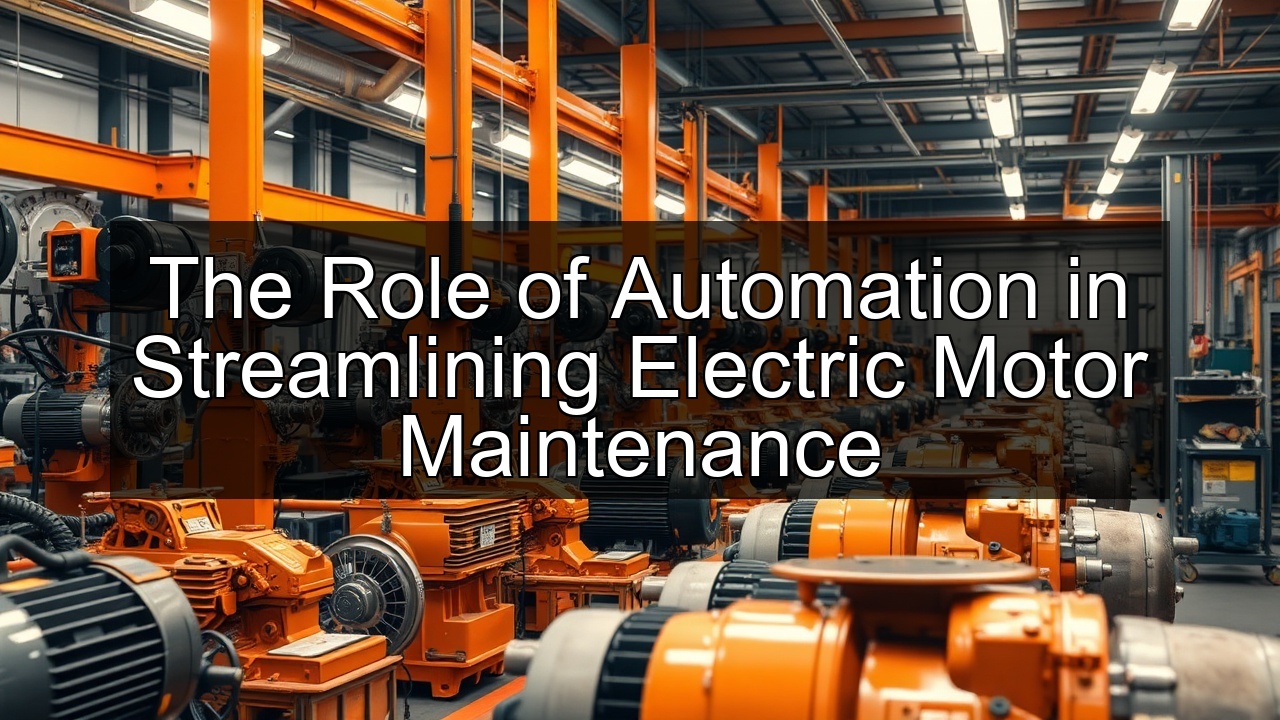
The Role of Automation in Streamlining Electric Motor Maintenance
Understanding the Importance of Electric Motor Maintenance
The Role of Electric Motors in Manufacturing
Electric motors serve as the backbone of many manufacturing processes. They power various machines, from conveyor belts to pumps, enabling seamless operations in factories. These motors convert electrical energy into mechanical energy, providing the necessary force to drive equipment. In manufacturing environments, efficiency dictates productivity, making reliable electric motors crucial. A single malfunction can halt operations, leading to costly downtime. Regular maintenance ensures these electric motors operate at peak performance, minimizing the risk of failure. By investing in electric motor maintenance, businesses not only extend the life of their equipment but also enhance overall productivity and operational reliability.
The importance of electric motors extends beyond their immediate function; they are integral to the automation and optimization of production lines. For instance, variable frequency drives (VFDs) are often used to control motor speed and torque, enhancing the efficiency of processes like material handling and assembly. This versatility allows manufacturers to adapt their operations to varying demands, making electric motors a key component in modern manufacturing strategies.
Common Issues in Electric Motor Functionality
Electric motors, despite their robust design, face a range of issues that can affect their functionality. Common problems include overheating, bearing failures, and electrical imbalances. Overheating often results from excessive load or insufficient cooling, causing insulation damage and eventual motor failure. Bearing failures typically arise from lubrication issues or contamination, leading to increased friction and wear. Electrical imbalances, such as phase loss, can disrupt performance and lead to inefficient operation.
Other issues might include winding failures, where the coils of wire within the motor become damaged or short-circuited. This can be caused by exposure to moisture, dirt, or extreme temperatures. Additionally, power supply fluctuations can lead to voltage spikes that can damage motor components. Understanding these common issues is vital for effective electric motor repair. Regular inspections and maintenance can identify potential problems before they escalate, ensuring that motors function reliably and efficiently. By implementing a thorough maintenance schedule, manufacturers can significantly reduce the likelihood of unexpected failures.
Impact of Vibration Analysis on Motor Reliability
Vibration analysis plays a pivotal role in maintaining the reliability of electric motors. This technique involves measuring vibrations within the motor to identify potential issues. By monitoring vibration patterns, technicians can detect anomalies that indicate misalignment, imbalance, or wear. Early detection through vibration analysis allows for timely interventions, preventing catastrophic failures and extending the lifespan of electric motors. Incorporating vibration analysis into a maintenance program enhances overall reliability. This proactive approach minimizes unexpected downtime and supports smooth operations in manufacturing environments, where every second counts.
Moreover, the data collected through vibration analysis can be used to create historical records that help predict future issues. By analyzing trends in vibration data over time, maintenance teams can establish baseline performance metrics and recognize deviations that may signify emerging problems. This predictive maintenance approach complements traditional maintenance strategies and fosters a culture of continuous improvement within manufacturing operations.
Integrating Automation in Maintenance Processes
How Automation Enhances Preventative Maintenance
Automation revolutionizes the approach to preventative maintenance for electric motors. Automated systems can continuously monitor motor performance, collecting data on key indicators such as temperature, vibration, and electrical consumption. This real-time data allows for immediate analysis and identification of potential problems. By automating the maintenance process, technicians can prioritize tasks based on urgency, ensuring critical issues receive attention first. Furthermore, automation reduces human error, improving the accuracy of maintenance schedules and interventions.
This streamlined approach not only enhances the efficiency of electric motor maintenance but also significantly reduces the likelihood of unexpected failures, ensuring consistent operations in manufacturing settings. Additionally, automated systems can facilitate better communication among maintenance teams, enabling them to share insights and collaborate effectively, which ultimately leads to more proactive maintenance strategies.
Automated Monitoring Systems for Electric Motors
Automated monitoring systems play a crucial role in the maintenance of electric motors. These systems utilize advanced sensors and software to track motor health in real time. By continuously collecting data on various parameters, such as vibration levels and thermal performance, these systems provide invaluable insights into the condition of electric motors. Alerts can be configured to notify technicians of any deviations from normal operating conditions, enabling prompt action.
The integration of automated monitoring systems reduces the reliance on manual inspections, freeing up valuable time for maintenance teams. This shift not only enhances the accuracy of maintenance efforts but also contributes to the overall reliability and efficiency of electric motors across manufacturing operations. As technologies advance, the incorporation of artificial intelligence (AI) into these systems can further enhance their capabilities, enabling predictive analytics that forecast potential failures based on complex algorithms and machine learning principles.
The Future of Gear and Switchgear Maintenance
The future of gear and switchgear maintenance lies in the seamless integration of automation and intelligent systems. As industries evolve, the need for more sophisticated maintenance strategies becomes apparent. Automated solutions will streamline maintenance processes for gears and switchgear, ensuring optimal performance and reducing unplanned downtime. Predictive maintenance technologies will analyze historical data, allowing for more accurate forecasting of potential failures. This proactive approach facilitates timely repairs and reduces the frequency of unexpected outages.
Furthermore, the incorporation of IoT (Internet of Things) technology into gear and switchgear maintenance allows for enhanced connectivity and data sharing. This interconnectedness will enable real-time monitoring of equipment health and performance, leading to even more refined maintenance practices. Embracing automation in gear and switchgear maintenance not only improves operational efficiency but also enhances overall system reliability, making it an essential focus for modern manufacturing.
Electric Motor Repair Strategies
Effective Troubleshooting Techniques
Effective troubleshooting techniques are essential for diagnosing issues in electric motors. A systematic approach begins with gathering information about the symptoms observed during operation. Technicians often start by checking power supply and electrical connections, as these are common sources of malfunction. Following this, a visual inspection can reveal physical damage or wear that may contribute to performance issues. Utilizing tools such as multimeters and oscilloscopes can provide further insights into electrical characteristics.
Vibration analysis, previously discussed, can also aid in identifying mechanical problems. Additionally, thermal imaging can be employed to detect hotspots that may indicate overheating components or electrical faults. Implementing these troubleshooting techniques ensures technicians can accurately diagnose and efficiently address problems, leading to effective electric motor repair. A well-documented troubleshooting process can also serve as a valuable reference for future maintenance, creating a knowledge base that enhances operational efficiency over time.
The Benefits of Professional Electric Motor Services
Engaging professional electric motor services offers numerous benefits that extend beyond basic repair. Experts in the field possess extensive knowledge and experience, allowing them to diagnose and address issues effectively. They have access to specialized tools and technology that enhance the quality of repairs. Additionally, professional services often provide preventative maintenance plans tailored to the specific needs of electric motors, ensuring long-term reliability. By entrusting electric motor repair to professionals, businesses can minimize downtime and prolong the lifespan of their equipment.
This strategic investment in expert services ultimately contributes to more efficient manufacturing processes and improved operational productivity. Furthermore, partnering with professional services can provide access to ongoing training and support for in-house maintenance teams, fostering a culture of continuous improvement and operational excellence.
When to Consider Electric Motor Restoration
Electric motor restoration becomes a viable option when the cost of repair approaches or exceeds the price of replacement. Restoration involves refurbishing the motor to its original specifications, often extending its lifespan significantly. This process typically includes disassembly, cleaning, replacement of worn parts, and reassembly. Businesses should consider restoration when the motor has historical value or when it is critical to specific applications where replacements may not be readily available.
Furthermore, restoration can be a more sustainable electric motor troubleshooting choice, as it reduces waste and promotes the reuse of existing materials. Restoration often involves upgrading components to improve efficiency and performance, aligning with modern energy standards. Ultimately, evaluating the condition of the electric motor and weighing repair costs against restoration benefits will guide the decision-making process. This proactive evaluation can lead to substantial long-term savings and enhanced operational performance.