Understanding the Key Differences Between Thermosetting and Thermoplastic Materials

Fundamental Properties of Thermosetting and Thermoplastic Materials
Molecular Structure and Behavior
Thermosetting vs thermoplastic materials starts at the molecular level where thermoset plastics form permanent cross-linked networks during curing. These bonds prevent reshaping once set, delivering stability under stress. Thermoplastic polymers rely on linear or branched chains that soften with heat and harden on cooling. This reversible process allows repeated melting without chemical change. Engineers exploit these traits in product design to match performance needs. Thermosets resist solvents better due to their rigid structure while thermoplastics flow easily for complex shapes. The contrast drives material selection across industries seeking durability or recyclability.
Manufacturers test molecular behavior through differential scanning calorimetry to predict how each type reacts during processing. Thermosetting polymers create irreversible bonds that lock in strength. Thermoplastics maintain flexibility because chains slide past each other. This difference appears in everything from automotive parts to consumer goods. Selecting the right polymer requires understanding these fundamentals to avoid failures in final applications.
Thermal Properties and Stability
Thermoset plastics maintain integrity at elevated temperatures because cross-links restrict molecular movement. They withstand continuous heat without softening or deforming. Thermoplastic materials soften progressively above their glass transition point, requiring careful temperature control during use. Thermosetting plastic grades often serve in high-heat environments such as engine compartments or electrical housings. Thermoplastics excel where repeated thermal cycling occurs, such as in packaging or medical devices. Heat deflection testing reveals these performance gaps clearly.
Engineers measure thermal stability with techniques like thermogravimetric analysis to confirm suitability. Thermosets show minimal weight loss until decomposition begins. Thermoplastics may creep or warp under sustained load at moderate temperatures. These properties influence decisions in plastic injection moulding operations where cooling rates affect final dimensions. Proper material choice prevents warping or cracking in service.
Mechanical Strength and Flexibility
Thermoset plastics deliver high rigidity and compressive strength once cured, making them ideal for load-bearing components. Their cross-linked structure resists creep and fatigue over long periods. Thermoplastic polymers provide greater elongation and impact resistance, allowing energy absorption before fracture. Automotive bumpers often use toughened thermoplastics for this reason. Designers balance these mechanical traits against weight and cost targets.
Tensile and flexural testing quantifies the performance difference between thermosets and thermoplastics. Thermosetting polymers maintain modulus at elevated temperatures while thermoplastics lose stiffness. Injection moulding parameters must account for these behaviors to achieve consistent part quality. CNC milling further refines thermoset parts to tight tolerances when required. Material selection ultimately hinges on matching mechanical demands with processing realities.
Manufacturing Processes: Thermosets vs Thermoplastics
Overview of Plastic Injection Molding
Plastic injection molding transforms raw pellets or resins into finished components through heated barrels and precision molds. Thermoplastic polymers dominate this process because they melt and flow repeatedly. Thermoset plastics require different handling since they cure irreversibly inside the mold. Cycle times shorten dramatically with thermoplastics, boosting output in high-volume production. Mold temperature control prevents defects such as sink marks or short shots. Factories optimize clamp force and injection speed to match material viscosity.
Process monitoring ensures consistent part weight and dimensions across runs. Thermosetting plastic compounds often include fillers that improve flow yet demand slower cure cycles. Plastic injection moulding equipment handles both material families when properly configured. Lead times shrink when molds incorporate hot runner systems for thermoplastics. Understanding these fundamentals reduces scrap rates and improves overall efficiency.
CNC Milling and Its Application
CNC milling removes material from solid stock to create precise features that injection molding cannot achieve alone. Thermoset plastics machine cleanly once fully cured, producing tight-tolerance prototypes or low-volume parts. Thermoplastic stock requires coolant to prevent melting during cutting. CNC machine operators adjust feed rates and spindle speeds according to polymer hardness. This subtractive method complements plastic injection molding when geometries grow complex.
Fixtures secure workpieces firmly to avoid vibration marks on finished surfaces. Thermosets hold dimensions well after milling because they lack the thermal expansion common in thermoplastics. Factories combine CNC milling with injection moulding to deliver hybrid production strategies. Tool wear increases with abrasive fillers in either material family. Proper programming prevents delamination or edge chipping on thermoset plastic components.
Thermoplastic Injection Molding Techniques
Thermoplastic injection molding techniques include gas-assisted, multi-shot, and overmolding processes that expand design possibilities. Sequential valve gating improves surface finish on large parts. Thermoplastics respond well to these methods because they solidify quickly after filling. Mold flow analysis predicts knit lines and air traps before tooling begins. Cooling channel design directly affects cycle time and warpage control.
Factories track melt temperature and back pressure to maintain consistent viscosity. Thermoplastic polymers accept colorants and additives during compounding without altering base properties. Thermoset materials rarely use these techniques due to their irreversible cure. Proper drying of hygroscopic resins prevents hydrolysis defects in finished parts. These specialized techniques increase throughput while meeting demanding surface and structural requirements.
Applications and Use Cases
Common Uses of Thermosetting Plastics
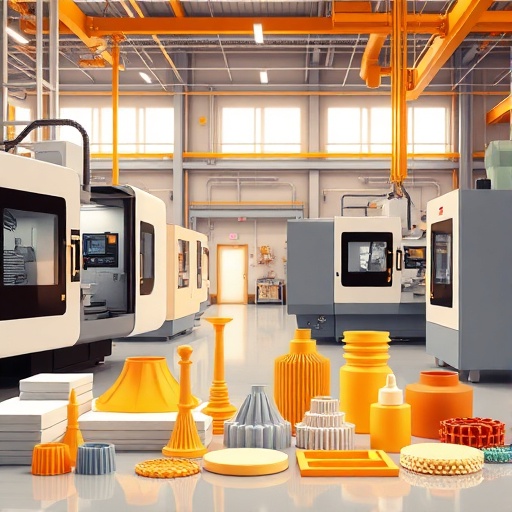
Thermosetting plastics appear in electrical insulators, automotive brake pads, and aerospace composites where heat resistance matters most. Their rigidity supports structural roles in circuit boards and appliance housings. Thermoset plastic laminates provide dimensional stability under load and humidity. Manufacturers mold these materials into durable handles and knobs that resist chemicals. Performance advantages justify longer cure cycles in critical applications.
Epoxy and phenolic resins dominate many of these uses due to proven reliability. Thermosets bond well to metal inserts during molding, creating strong hybrid assemblies. Industries value their low creep under sustained stress. Electrical properties remain stable across temperature swings. These characteristics make thermosetting polymers the default choice when failure is not an option.
Industries Utilizing Thermoplastic Polymers
Thermoplastic polymers serve packaging, consumer electronics, and medical device sectors that prioritize impact resistance and recyclability. Polypropylene and ABS dominate interior automotive trim and housings. Thermoplastics enable rapid color changes and complex living hinges in single-shot molds. Medical-grade resins meet biocompatibility standards for surgical instruments and drug delivery components.
Lightweight thermoplastics replace metals in structural brackets and enclosures, reducing overall product weight. Transparent grades find use in optical lenses and protective covers. Industries appreciate the ability to regrind and reuse scrap generated during thermoplastic injection molding. Supply chains benefit from global resin availability and consistent pricing. These advantages accelerate product development cycles across multiple sectors.
PCB Design and Material Selection
PCB design teams evaluate thermosetting vs thermoplastic options when selecting substrate materials for circuit boards. Thermoset plastics such as FR-4 epoxy provide the necessary electrical insulation and thermal stability during soldering. Thermoplastics appear in flexible circuits or low-cost consumer boards where bendability matters. Material choice affects trace adhesion, dielectric constant, and long-term reliability under thermal cycling.
Design rules incorporate copper weight and via fill requirements based on the chosen polymer. Thermosetting plastic laminates maintain flatness better during reflow processes. Thermoplastics allow thinner constructions for wearable electronics. Engineers verify flame retardancy ratings and moisture absorption before finalizing layouts. Proper material selection in pcb design prevents delamination and electrical failures in the field.
Environmental Impact and Recycling
Sustainability of Thermosetting Materials
Thermosetting materials offer long service life that reduces replacement frequency and associated waste. Their chemical resistance extends product durability in harsh environments. Thermosets rarely enter mechanical recycling streams because cross-links prevent remelting. Some chemical recycling methods break down thermoset polymers into feedstock chemicals for new resins. Energy recovery through incineration remains common for end-of-life thermoset plastic parts.
Manufacturers explore bio-based thermosetting polymers to lower carbon footprints. These resins maintain performance while incorporating renewable content. Lifecycle assessments guide decisions on whether thermosets or thermoplastics deliver lower overall impact. Durability often offsets higher initial production energy when products last decades.
Recycling Challenges of Thermoplastics
Thermoplastics face contamination and sorting difficulties that limit closed-loop recycling rates. Mixed polymer streams reduce mechanical properties after reprocessing. Additives and colorants complicate identification during automated sorting. Thermoplastic injection molding generates sprues and runners that factories routinely regrind for internal reuse. Post-consumer collection infrastructure varies widely by region and resin type.
Advanced sorting technologies using near-infrared spectroscopy improve purity of recycled thermoplastics. Chemical recycling depolymerizes certain resins back to monomers for virgin-quality output. These innovations address quality concerns that previously restricted recycled content in high-spec applications. Consistent supply of clean feedstock remains essential for scaling thermoplastic recycling.
Innovations in Eco-friendly Plastics
Innovations in eco-friendly plastics focus on bio-derived monomers and enhanced recyclability for both thermosets and thermoplastics. New thermosetting polymers incorporate dynamic bonds that allow reprocessing under specific conditions. Thermoplastic resins now include higher percentages of recycled or renewable content without sacrificing performance. Biodegradable additives target applications where collection proves impractical.
Factories pilot closed-loop systems that capture and reprocess production scrap on site. Research into compatibilizers improves blending of dissimilar thermoplastics during recycling. These developments support circular economy goals while meeting regulatory demands. Material suppliers collaborate with product designers to embed sustainability from the earliest concept stages.
Future Trends in Plastic Material Development
Advancements in Thermosetting Polymers
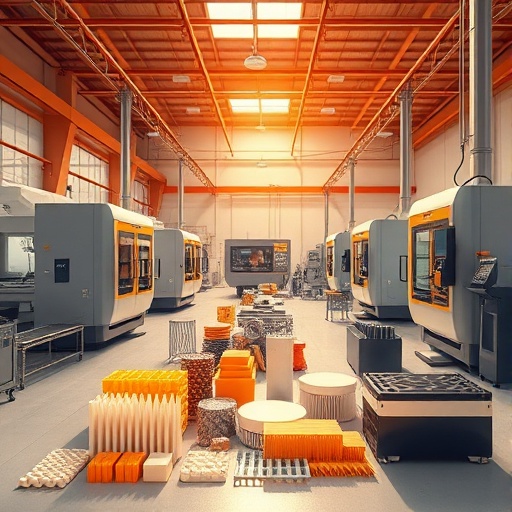
Advancements in thermosetting polymers target faster cure cycles and improved toughness without sacrificing heat resistance. New catalysts reduce energy consumption during molding. Researchers develop recyclable thermosets through cleavable linkages that allow depolymerization. These materials retain the mechanical advantages of traditional thermoset plastics while addressing end-of-life concerns. Aerospace and automotive sectors drive demand for lighter, stronger formulations.
Hybrid systems combine thermosetting and thermoplastic phases to balance rigidity with impact performance. Additive manufacturing techniques now process certain thermosetting resins layer by layer. These innovations expand design freedom beyond conventional injection moulding limits. Continued investment accelerates commercialization of next-generation thermosets.
Emerging Thermoplastic Resins
Emerging thermoplastic resins deliver higher temperature performance and greater chemical resistance previously reserved for thermosets. High-performance grades such as PEEK and PEI compete in metal replacement applications. Improved flow characteristics support thinner walls and more complex geometries in thermoplastic injection molding. Bio-based polyamides and polyesters gain traction as sustainable alternatives.
Nanocomposite thermoplastics incorporate graphene or carbon nanotubes to boost mechanical and electrical properties. Self-healing formulations repair minor surface damage through thermal or light activation. These resins reduce reliance on secondary operations such as CNC milling for finishing. Material suppliers continue refining polymerization methods to lower costs and environmental impact.
The Role of Factories in Material Innovation
Factories drive material innovation through collaboration with resin producers on pilot-scale trials. Real-time process data from plastic injection moulding lines informs formulation adjustments. CNC machine feedback helps validate machinability of new thermoplastic and thermoset grades. Production environments reveal scalability issues that laboratory testing misses.
Lead times for new material qualification shorten when factories maintain dedicated development cells. Joint ventures between material scientists and manufacturing teams accelerate commercialization. These partnerships ensure emerging thermosetting polymers and thermoplastic resins meet both performance and process requirements. Continued factory involvement remains critical for translating laboratory breakthroughs into commercial volumes.