Unlocking Efficiency with Accurate Fuel Level Gauges for Your Diesel Tank

Unlocking Efficiency with Accurate Fuel Level Gauges for Your Diesel Tank
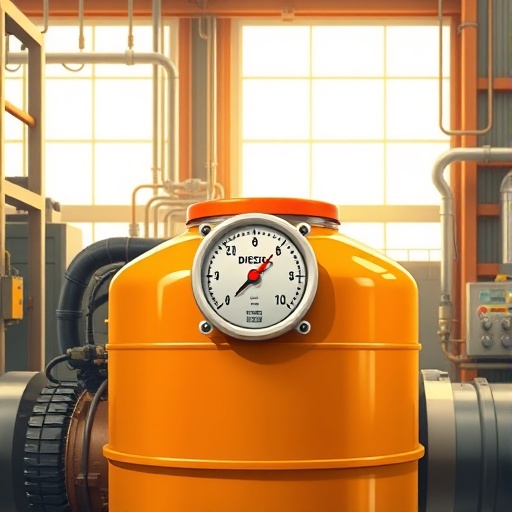
What is a Fuel Level Gauge?
A fuel level gauge for diesel tank measures the volume of diesel fuel inside a fuel tank with precision. These devices convert liquid height into readable data that operators use to track remaining supply. Mechanical versions rely on floats and linkages while electronic models employ sensors that send signals to displays. Diesel engines depend on consistent readings to avoid sudden shortages during operation. Accurate gauges integrate directly with fuel tanks on trucks, generators, and industrial equipment. They replace guesswork with clear metrics that support daily fueling decisions. Proper calibration ensures the gauge reflects actual diesel fuel levels even when tanks sit on uneven ground. Users install these instruments on both portable and stationary diesel tanks to maintain operational awareness at all times.
Importance of Accurate Measurement in Diesel Fuel Management
Accurate measurement drives effective diesel fuel management across fleets and facilities. Operators who monitor exact levels prevent overfilling that wastes fuel and creates safety risks. Precise data also reveals consumption patterns that help schedule refills before diesel engines run dry. Fuel tank level gauges eliminate costly downtime caused by unexpected shortages during critical tasks. Managers track usage across multiple diesel tanks and adjust routes or maintenance accordingly. Clear readings reduce theft and leakage by highlighting unexplained drops in volume. Businesses that rely on diesel benefit from lower overall fuel expenses when gauges provide reliable information every hour of operation.
Mechanical Gauges: Pros and Cons
Mechanical gauges use a float arm connected to a dial that moves as diesel fuel rises or falls inside the tank. They require no external power source, which makes them reliable in remote locations without electricity. Installation remains straightforward and inexpensive compared with digital alternatives. However, vibration from diesel engines can wear linkages over time and produce inaccurate readings. Temperature changes affect float buoyancy and cause drift that users must correct manually. Mechanical units also struggle with irregular tank shapes where the float cannot travel freely. Despite these limitations, many operators still choose them for simple diesel tank setups that demand basic monitoring without complex wiring.
Electronic Gauges: How They Work
Electronic gauges convert fuel height into electrical signals through resistance or voltage changes. A sender unit inside the diesel tank sends data to a dashboard display or remote monitor. These systems handle irregular tank geometries better than mechanical floats because sensors map the entire volume profile. Diesel fuel management improves when electronic gauges feed live readings into fleet software. They resist vibration better and maintain accuracy across wide temperature ranges common in outdoor diesel tanks. Some models include alarms that trigger when levels drop below preset thresholds. Electronic options also support integration with telematics systems that log fuel usage for cost analysis and regulatory compliance.
Ultrasonic and Capacitive Sensors Explained
Ultrasonic sensors mount at the top of the fuel tank and emit sound waves that bounce off the diesel fuel surface. The time of return calculates the exact level without any contact with the liquid. Capacitive sensors measure changes in electrical capacitance caused by the dielectric properties of diesel fuel versus air. Both technologies deliver high accuracy even in tanks that experience heavy sloshing during transport. Ultrasonic models perform well in clear diesel applications where sediment might interfere with other sensor types. Capacitive versions handle viscous fuels and resist buildup on probe surfaces. Operators select these advanced options when diesel tank gauges must operate reliably in harsh environments or when frequent manual checks prove impractical.
Improved Fuel Management and Cost Efficiency
Accurate fuel level gauge for diesel tank installations improve fuel management by delivering real-time visibility into every drop of diesel fuel. Fleet managers reduce unnecessary fueling stops and avoid premium emergency purchases when they know exact volumes across all diesel tanks. Cost tracking becomes precise because each refill matches actual consumption rather than estimates. Companies cut waste from over-ordering and minimize losses from undetected leaks. Diesel engines run more efficiently when operators maintain optimal fuel levels that prevent air ingestion or sediment disturbance. The resulting savings compound quickly for operations that consume thousands of gallons monthly. Reliable data also supports better budgeting and supplier negotiations based on documented usage patterns.
Minimizing Downtime for Diesel Engines
Diesel engines lose productivity when fuel runs out unexpectedly during scheduled work. A dependable fuel level gauge for diesel tank prevents these interruptions by providing advance warnings of low supply. Maintenance teams schedule refills during planned breaks instead of reacting to sudden failures. Remote monitoring capabilities let supervisors check multiple diesel tanks from a central location without sending staff on repeated inspection rounds. This approach keeps equipment running longer and reduces wear caused by frequent restarts after fuel starvation. Industries that depend on continuous operation, such as construction and agriculture, gain measurable uptime increases when gauges deliver consistent performance. Fewer emergency service calls further lower operating expenses tied to diesel fuel logistics.
Reducing Environmental Impact with Clear Diesel
Precise level monitoring supports responsible handling of clear diesel by preventing spills during overfills. Operators who know exact capacities avoid excess fueling that leads to ground contamination around diesel tanks. Early leak detection through steady gauge readings allows quick repairs before small issues become major environmental incidents. Fuel management practices that rely on accurate data also reduce unnecessary transport emissions because fewer trips occur to top off tanks. Companies demonstrate compliance with environmental regulations when they maintain documented records of diesel fuel volumes and usage. These measures protect both the surrounding ecosystem and the long-term viability of operations that depend on diesel engines.
Choosing the Right Location for Installation
Proper placement of a fuel level gauge for diesel tank begins with selecting an accessible point on the tank top or side. Installers avoid areas near fill pipes where turbulence during fueling distorts readings. The sensor must sit away from baffles or internal structures that could block float movement or signal transmission. For electronic models, wiring routes should remain short and protected from road debris or weather exposure. Technicians verify that the chosen spot allows full travel of mechanical components or unobstructed sensor paths. Correct positioning ensures diesel level gauges provide accurate data throughout the entire range from empty to full capacity. Professional installation teams test multiple locations before final mounting to guarantee reliable performance under real operating conditions.
Regular Maintenance Tips for Longevity
Long service life for diesel tank gauges requires periodic cleaning of sensor surfaces exposed to diesel fuel residues. Operators inspect float arms for corrosion and replace worn seals that could allow moisture entry. Electronic units need battery checks and connector inspections to prevent signal loss. Calibration verification every six months confirms that readings match actual volumes measured by dipstick or flow meter. Users keep spare parts on hand for common wear items such as gaskets and probes. Scheduled maintenance prevents gradual drift that undermines fuel management accuracy. Documenting each service event creates a history that supports warranty claims and helps predict replacement timing for aging diesel level gauges.
Troubleshooting Common Issues with Diesel Level Gauges
Erratic readings often trace back to loose wiring or corroded terminals on electronic diesel level gauges. Mechanical units may stick when debris accumulates around the float or linkage. Temperature extremes can cause temporary inaccuracies until the system stabilizes. Technicians first verify power supply and ground connections before replacing components. For ultrasonic sensors, obstructions on the tank interior or incorrect mounting angle produce false echoes that require repositioning. Capacitive probes need cleaning when conductive deposits build up and alter capacitance values. Systematic testing isolates whether the problem lies in the sender, display, or wiring harness. Quick resolution restores accurate fuel tank level gauge performance and prevents extended downtime for diesel engines.
Integration with IoT for Smart Fuel Management
Internet of Things connectivity transforms fuel level gauge for diesel tank data into actionable intelligence across entire operations. Wireless transmitters send real-time levels to cloud platforms that track consumption trends for every diesel tank. Alerts notify managers of low fuel or unusual drops that may indicate leaks or theft. Integration with vehicle telematics systems correlates fuel usage directly with engine hours and mileage. Smart dashboards generate automatic reorder points that optimize delivery schedules and reduce carrying costs. Diesel fuel management becomes proactive rather than reactive when IoT networks deliver continuous visibility. Companies that adopt these connected solutions gain competitive advantages through lower fuel expenses and improved equipment utilization rates.
Advancements in Gauge Technology
Recent developments in gauge technology include radar-based sensors that measure diesel fuel levels through thick tank walls without penetration. Wireless battery-powered units eliminate wiring runs and simplify retrofits on existing diesel tanks. Improved materials resist aggressive additives found in modern diesel fuel formulations. Some manufacturers now offer gauges with built-in temperature compensation that maintains accuracy across seasonal extremes. Touchscreen displays replace analog dials and provide graphical history of fuel usage patterns. These innovations expand the capabilities of diesel level gauges while reducing installation complexity and long-term maintenance demands. Operators gain more reliable data that supports precise fuel management decisions.
The Role of Data Analytics in Fuel Usage Optimization
Data analytics platforms process readings from fuel level gauge for diesel tank installations to reveal hidden inefficiencies in consumption. Historical trends identify peak usage periods and guide decisions on equipment scheduling. Predictive models forecast when diesel tanks will require refills based on current burn rates and upcoming workloads. Anomaly detection flags sudden spikes that warrant investigation for leaks or unauthorized fueling. Managers compare performance across multiple diesel tanks and standardize best practices that lower overall fuel costs. Analytics also support regulatory reporting by generating accurate consumption reports without manual record keeping. Organizations that leverage these insights achieve measurable reductions in diesel fuel expenditures while maintaining reliable operation of their diesel engines.