Unlocking Precision with 5 Axis Laser Cutting in Modern Manufacturing
The Evolution of Laser Cutting Technology
Historical Overview of Laser Cutting
Laser cutting began in the 1960s when engineers first used carbon dioxide lasers to slice through thin materials with focused beams. Early systems handled flat sheets for basic industrial tasks like sign making and simple metal fabrication. Companies quickly recognized the speed and repeatability that lasers delivered over mechanical saws or punches. By the 1980s, laser cutting technology reached automotive and aerospace shops where precision mattered most. Operators learned to control beam power and speed to create clean edges without secondary finishing. This foundation set the stage for multi-axis systems that later transformed how manufacturers approach complex geometries.
Advancements in Laser Cutting Equipment
Equipment makers steadily improved laser sources, optics, and motion controls throughout the 1990s and 2000s. Fiber lasers replaced older CO2 models because they cut reflective metals faster and required less maintenance. Machine frames grew more rigid while gantry drives achieved higher accelerations. Software updates allowed nesting programs to maximize sheet utilization and reduce scrap. These changes lowered operating costs and expanded the range of thicknesses that a single laser cutter could process. Shops invested in automated material handling to keep machines running around the clock. The cumulative effect prepared the industry for the next leap into five-axis capability.
Introduction of 5 Axis Laser Cutting
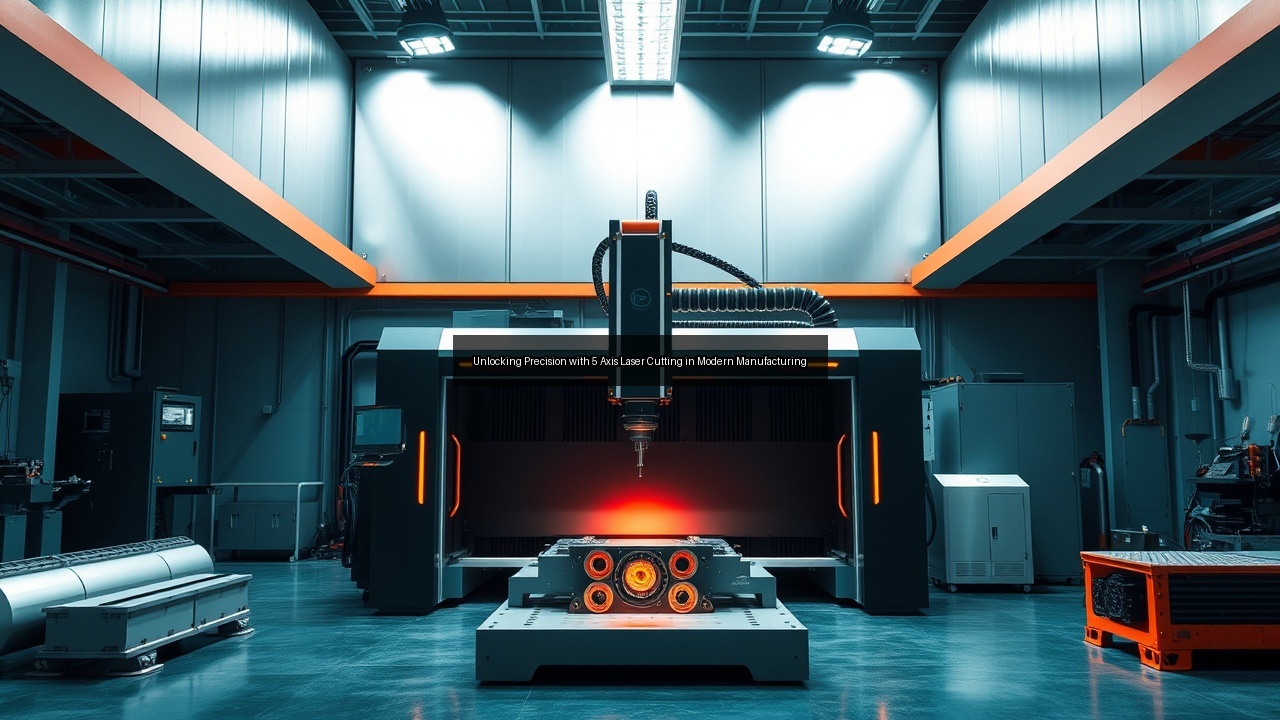
Five-axis laser cutting adds two rotary axes to the traditional X-Y-Z movement, letting the laser head tilt and rotate freely. This configuration reaches previously inaccessible angles on three-dimensional parts without repositioning the workpiece. Manufacturers now produce intricate brackets, exhaust components, and medical devices in one setup. The process shortens lead times and improves accuracy because fewer fixtures mean fewer opportunities for error. Early adopters in aerospace proved the concept on titanium alloys that conventional flat-bed lasers could not handle efficiently. Today 5 axis laser cutting serves any operation that needs compound curves or bevels cut directly from solid stock.
Understanding 5 Axis Laser Cutting
How 5 Axis Laser Works
The machine synchronizes linear and rotary motions so the laser beam stays perpendicular or at a programmed angle to the surface at every point. CAM software calculates tool paths that account for beam width, focal length, and material thickness. During operation the head follows smooth trajectories while sensors maintain consistent standoff distance. Operators load a 3D model, define cut parameters, and watch the system execute the program without manual intervention. This coordinated movement creates features such as angled holes or swept contours that would require multiple setups on a three-axis machine. The laser cutting process therefore delivers finished parts ready for assembly or further treatments.
Key Components of a 5 Axis Laser Cutter
A typical 5 axis laser cutter includes a high-power fiber laser source, precision linear guides, and two rotary tables or a tilting head. The optical delivery system uses mirrors or fiber cables to direct the beam to the cutting nozzle. High-resolution encoders track every axis position to within microns. Integrated cooling systems protect optics and the workpiece from excessive heat. Safety enclosures with interlocks protect operators while allowing quick access for setup. Many machines also feature automatic nozzle changers and real-time monitoring cameras that adjust parameters on the fly. Together these elements create a robust platform for demanding production runs.
Benefits Over Traditional Laser Cutting
Traditional flat-bed lasers limit cuts to two-dimensional profiles, forcing secondary operations for angled features. In contrast, 5 axis laser cutting completes complex parts in a single clamping. This reduces fixturing costs and eliminates alignment errors between operations. Cycle times drop because the machine never stops to flip parts. Edge quality remains consistent even on curved surfaces because the beam stays optimally focused. Manufacturers also gain design freedom; engineers can specify organic shapes without worrying about manufacturability. The net result is higher throughput, lower scrap, and faster time to market for new products.
Applications of 5 Axis Laser Cutting in Modern Manufacturing
Metals Fabrication and Precision Engineering
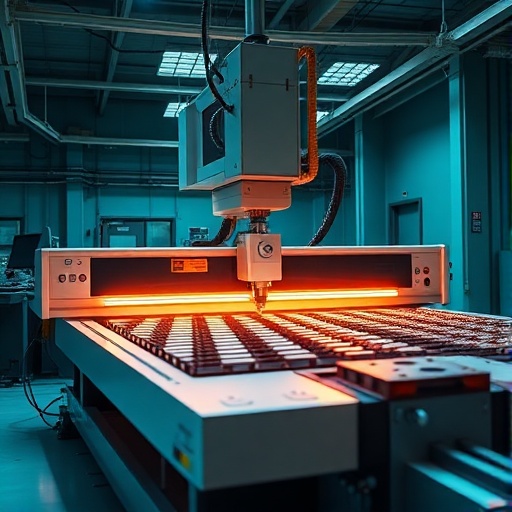
Metal fabrication shops use 5 axis laser cutting to produce structural brackets, enclosures, and prototype components from stainless steel, aluminum, and titanium. Precision engineering firms rely on the technology for parts that require tight tolerances on multiple planes. One setup can create mounting flanges with angled holes and contoured edges that previously needed milling and drilling. The process handles both prototype quantities and medium-volume runs efficiently. Fabricators report fewer weldments because complex assemblies can be laser cut from single pieces. This approach improves strength while cutting assembly labor.
HVAC and Sheet Metal Applications
HVAC manufacturers cut ductwork transitions, elbows, and custom fittings with compound angles that fit irregular spaces. Five-axis capability lets them produce these pieces directly from flat sheet without manual layout or forming dies. The laser cutting service delivers clean edges that seal properly when assembled, reducing air leakage in finished systems. Sheet metal contractors also benefit when creating architectural panels or equipment housings that include decorative cutouts and precise mounting points. Quick program changes accommodate job-specific designs without tooling delays. The result is faster turnaround on custom orders that traditional methods could not meet economically.
Innovations in Stamping and CNC Machining
Stamping operations integrate 5 axis laser cutting to add features after forming or to create short-run tooling. CNC machining centers sometimes combine laser heads for hybrid processing that roughs with milling and finishes with the laser. This hybrid approach reduces tool wear on difficult materials. Stamping houses now offer laser-cut prototypes that match production intent, then switch to hard tooling once volumes justify the investment. The flexibility supports just-in-time manufacturing where design iterations happen frequently. Shops that master both stamping and 5 axis laser cutting win contracts that demand both speed and precision.
Choosing the Right 5 Axis Laser Cutting Services
Factors to Consider in Laser Cutting Services
When evaluating laser cutting services, buyers examine machine capabilities, material expertise, and quality certifications. They verify that the provider can handle the required thicknesses and alloys without excessive heat-affected zones. Lead time quotes should reflect realistic programming and setup requirements for five-axis work. Buyers also request sample parts to assess edge quality and dimensional accuracy. Price alone rarely determines the best choice; consistent on-time delivery and responsive engineering support matter more for ongoing production. Clear communication about file formats and tolerances prevents costly misunderstandings later.
Evaluating Laser Cutting Equipment Providers
Equipment providers differ in machine rigidity, software integration, and after-sales support. Prospective buyers visit reference sites to observe actual production conditions rather than showroom demonstrations. They compare warranty terms, training programs, and spare-parts availability. Machines with open architecture allow easier integration with existing CAM systems and https://www.metalcraftspinning.com/5-axis-laser-cutting/ enterprise software. Service response times prove critical because downtime on a five-axis laser cutter stops an entire workflow. Providers that offer remote diagnostics and on-site training shorten the learning curve for new operators. Thorough evaluation protects the investment over the machine’s full lifespan.
The Role of Software in Laser Cutting Efficiency
Advanced CAM software translates 3D models into collision-free five-axis paths and optimizes cutting sequences for minimal travel time. Simulation tools let programmers verify programs before the laser cutter runs, catching errors that would scrap expensive material. Nesting algorithms maximize sheet usage even when parts have irregular shapes. Real-time monitoring software tracks consumable life and alerts operators to maintenance needs. Shops that invest in ongoing software training extract more productivity from the same hardware. The combination of capable machines and intelligent software turns 5 axis laser cutting into a competitive advantage rather than just another process step.
The Future of 5 Axis Laser Cutting
Emerging Trends in Laser Cutting Technology
New laser sources with higher beam quality and pulse control continue to expand the materials and thicknesses that five-axis systems can process cleanly. Automation cells now load and unload parts without operator intervention, enabling lights-out production. Machine learning algorithms adjust parameters in real time based on sensor feedback, further improving yield. Portable five-axis units are appearing for on-site repair work in energy and transportation sectors. These developments keep 5 axis laser cutting at the forefront of flexible manufacturing. Continued integration with additive processes promises hybrid machines that both build and finish complex geometries.
Sustainability and Laser Cutting in Manufacturing
Modern fiber lasers consume less electricity per cut than older technologies, lowering the carbon footprint of metal fabrication. Precise nesting reduces material waste while water-cooled systems recycle process fluids. Manufacturers track scrap rates and energy use through connected software to meet corporate sustainability goals. 5 axis laser cutting also supports lighter-weight designs that improve fuel efficiency in vehicles and aircraft. By replacing multiple machining steps with a single laser operation, shops cut overall energy consumption and floor space requirements. These environmental benefits align with stricter regulations and customer expectations.
Potential Impact on Manufacturing Processes
Widespread adoption of 5 axis laser cutting will compress product development cycles because prototypes and production parts share the same process. Supply chains may shorten as companies bring complex cutting in-house instead of outsourcing to multiple vendors. Workforce needs will shift toward programmers and process engineers rather than manual machinists. The technology encourages design teams to explore organic shapes that were previously cost-prohibitive. Overall, 5 axis laser cutting strengthens the move toward agile, digital manufacturing where customization and speed drive competitive success.